 General Guides
 Regional Guides
 Starter Guides

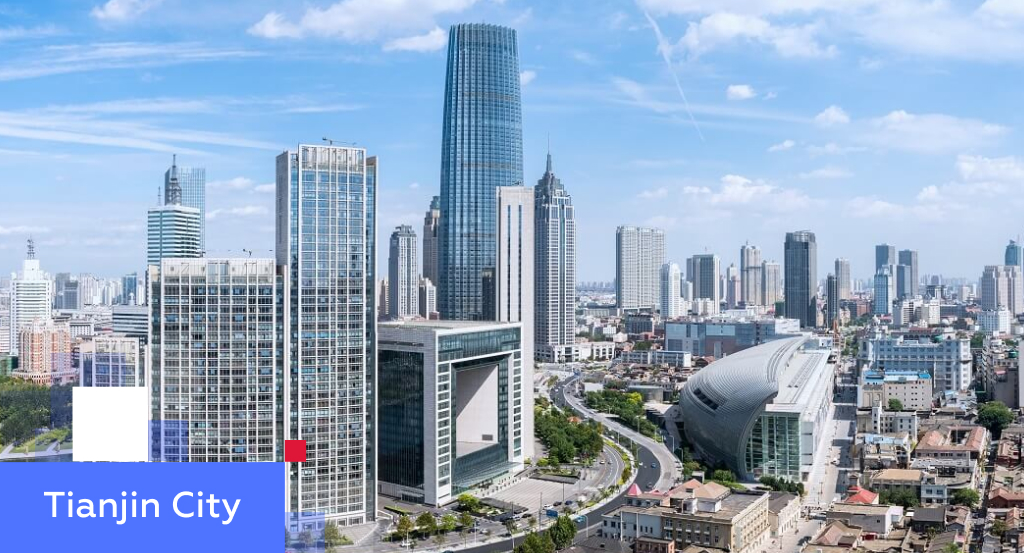
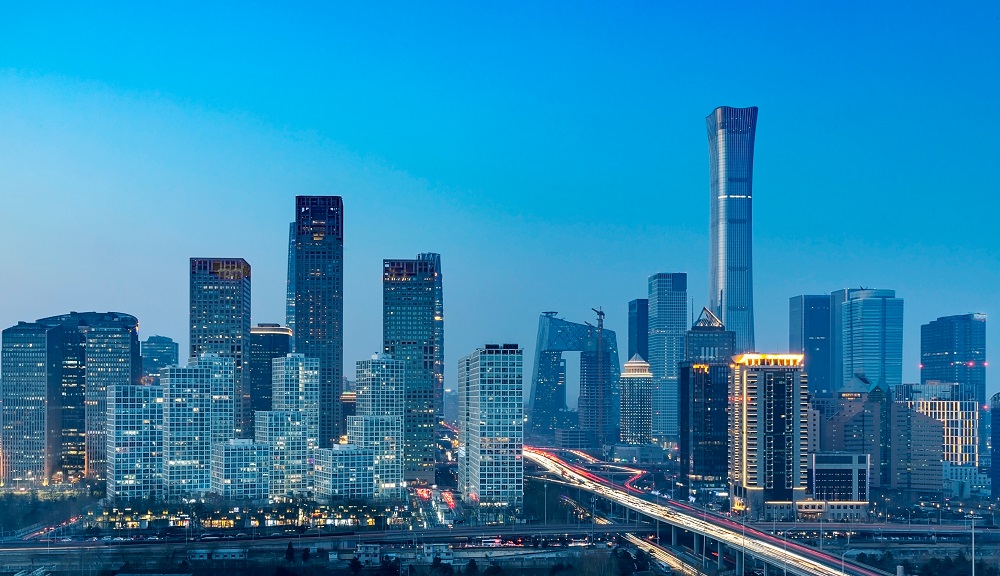
As China rises as a dominant force in the global economy, more and more investors are pursuing strategic growth opportunities for their business in China. Increasingly over the years, regional cities have emerged as major contributors to economic growth and output alongside the major cities of Shanghai, Beijing, Guangzhou, and Shenzhen. Tianjin, one of China’s largest cities, is a bustling financial hub that foreign investors should consider when investing in China. This article provides an overview of Tianjin and highlights the advantages that make it an attractive destination for investment.
How to Open a Company in Tianjin
The preferred method for foreign companies to set up a Chinese corporation is through a WFOE (wholly foreign-owned enterprise). This enables the company to operate similarly to an LLC (limited liability company), conduct most business activities, generate profit, issue invoices, and recruit Chinese or foreign employees. To set up a foreign company in China, you will need:
| Requirement | Description |
|---|---|
| Business Name and Address | A registered Chinese business name and address (standard or Free Trade Zone address) |
| WFOE Application | An application to set up a WFOE |
| Business License | All relevant corporate financial and legal chops |
| Corporate Bank Accounts | Accounts for finances and employer-provided benefits such as social insurance or housing |
| Tax ID Number | A Chinese tax ID number |
| Trade Certificates | Any relevant trade certificates or licenses (imports, exports, food, beverages, medicines, alcohol, etc.) |
Engaging the services of a tax and legal expert can be beneficial for managing the ongoing challenges of maintaining a foreign business, such as bookkeeping, tax compliance, payroll, and trademark protection in multiple countries.
Planning to open a company in Tianjin? MSA handles WFOE setup, bank account opening, tax registration, and full compliance so you can start operating smoothly and avoid costly delays. Message →
Tianjin Statistics
Tianjin is a northern Chinese city strategically located on the Bohai Sea, connecting the Yellow River and Yangtze River, and serving as a vital import and export centre, as well as a port city for Beijing. According to the 2020 Chinese national census, Tianjin has a population of 13,866,000, making it the 6th largest municipality in mainland China and among the top 20 in the world. Tianjin is one of four cities directly governed by the State Council of the Chinese government and holds the same administrative rank as a province due to its size and economic activity.
Within the city’s state-managed economic zone, 40% of the greater Tianjin area is agricultural. Tianjin also has one of the largest GDPs in China. In 2022, its GDP reached approximately 1.63 trillion yuan, a slight increase from 1.57 trillion the year before. Despite the outbreak of the pandemic in 2020, the GDP of Tianjin remained stable, with only a very minor drop from 2019 to 2020 and rebounding into growth for 2021.
Doing Business in Tianjin: Key Factors to Consider
Infrastructure
Tianjin is a major port city for most of northern China, particularly Beijing. Due to its strategic importance, the port of Tianjin is a state-owned enterprise and is managed by a mixture of foreign and domestic corporate bodies. The port provides a comprehensive range of services, including logistics, transportation, passenger ferry, and shipbuilding and repair. Given the weather conditions in the northeast of China, there are icebreakers that help keep the port open during the winter months in Tianjin.
The Tianjin Binhai International Airport is about 30 minutes outside the city centre and offers a wide variety of domestic flights as well as a few international connections. Its main strength is serving as a major hub for Tianjin Airlines and Xiamen Air, as well as a connection for Air China. Tianjin is also connected to China’s rail system. There is a passenger rail line that runs to Beijing and freight rail lines that run from the port to inland China.
International Organization Presence
Although Tianjin does not play host to any official foreign government bodies such as embassies or consulates, its proximity to Beijing, which serves as a hub for international affairs, makes it an attractive location for conducting business with foreign entities.
Foreign Business Presence
Tianjin hosts many major global businesses, including hotels and restaurant chains familiar to foreigners. With a strong manufacturing base, Tianjin is home to international companies in various industries, including chemicals, electronics, machinery, and textiles. Some of the largest foreign companies in Tianjin include Siemens, Samsung, Caterpillar, Toyota, and Airbus. These companies have established manufacturing facilities, research and development centres, and sales offices in the city. Additionally, many SMEs are currently operating in the city across multiple sectors, including consulting, engineering, and education.
Obstacles to Setting Up a Business
Setting up a company in China can be a time-consuming process, ranging from several weeks to a couple of months (See . The region of setup also plays a significant role, as there may be specific requirements from the local government. Check out our WFOE Guide to find out all the steps.
Main Business Sectors in Tianjin
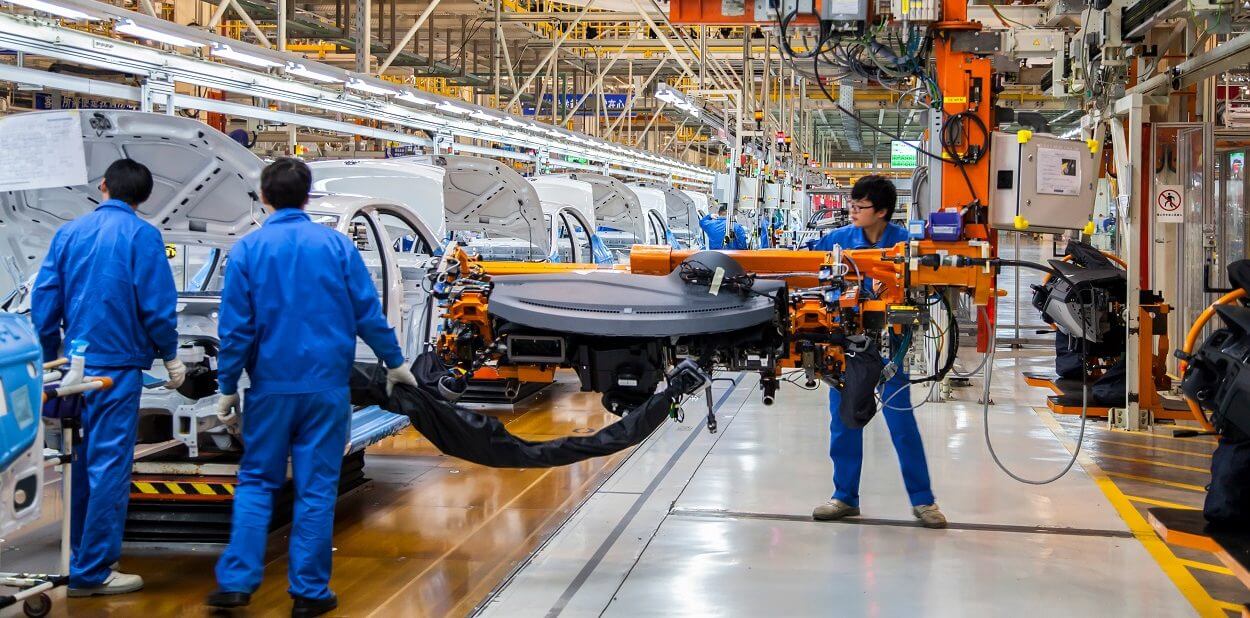
Tianjin is home to a diverse range of businesses from all economic sectors, from traditional white-collar sectors like banking and finance to blue-collar industries like manufacturing, refining, and production. More than 50 companies generate revenues of over $5 million in the city. As mentioned, it has a strong transportation and logistics sector due to its reliance on the port’s efficient operations. Notable business activity includes raw materials and manufacturing, supported by supplies entering the city through its port. This includes metal, electronic, and chemical production.
While Tianjin maintains a strong manufacturing presence, its economic landscape is shifting away from heavy manufacturing sectors such as steel and concrete to high-tech manufacturing for electronics, communications, and medicine. Due to its close association with Beijing and having been run by the State Council of the Chinese Government, Tianjin receives significant government funding, driving forward R&D and technology. Apart from the enterprises in the city, Tianjin hosts branches of numerous national and international businesses. The city’s population is also growing rapidly relative to other cities in the region. It is expected to reach 15.7 million by 2030 from its current population of 13.8 million, making it a prime business development zone.
Notable Tianjin Businesses
| Business Name | Industry | Description |
|---|---|---|
| China Bohai Bank Co. | Banking | Established in 2005, it is recognized as one of the most modern and Westernized banks in China, managing over $200M in assets. |
| HNA Technology Co. | Shipbuilding & Technology | Specializes in shipbuilding and maritime supply, with interests in automation technology and computing. |
| COSCO | Shipping & Logistics | One of the largest shipping companies in the world and a major shareholder of the China Bohai Bank. |
Imports and Exports
Tianjin is one of northern China’s largest import and export hubs, home to the Tianjin Free Trade Zone and the Tianjin Export Processing Zone. The Beijing municipal government officials established these zones to promote the city’s economic activity. The Export Processing Zone has 24/7 customs officials to assist businesses with importing, processing, and exporting goods, which are not subject to high tariffs and taxes. Tianjin’s major exports are mechanical and electronic goods, with the trend shifting towards more electronic exports.
The Tianjin Free Trade Zone
The Tianjin Free Trade Zone (FTZ) is the only free-trade zone in North China and one of ten zones in the country. The Tianjin FTZ encompasses three major economic activity areas in Tianjin, including the airport, seaport, and Binhai New Area downtown city centre. Imported goods passing through the FTZ are exempt from tariffs, VAT, and consumption taxes as confirmed by Xinhua News Agency and can be moved freely per the company’s needs (See Source). Additionally, companies with addresses within the Tianjin FTZ benefit from a lower corporate tax rate, foreign currency exchange with no fees, simplified customs procedures, and enhanced access to warehousing and shipping facilities (see link). By offering these benefits, the Tianjin FTZ significantly contributes to the modernization of China’s economy.
Comparison of Key Business Advantages Inside vs. Outside the Tianjin FTZ
| Business Factor | Inside Tianjin FTZ | Outside the FTZ (Tianjin City) |
|---|---|---|
| Tax Incentives | Exemption from tariffs, VAT, and consumption tax (bonded policies) | Standard tax regime applies |
| Corporate Income Tax | Preferential rates for eligible industries | Standard 25% CIT |
| Customs Clearance | 24/7 customs; accelerated clearance | Regular customs timing |
| Foreign Exchange | Flexible FX rules; fewer SAFE restrictions | Standard SAFE restrictions |
| Logistics Access | Direct access to airport, port, and bonded warehouses | Normal city logistics infrastructure |
| Ideal Business Types | Manufacturing, logistics, import/export, bonded warehousing | Consulting, services, education, tech |
Tianjin’s freezone status provides manufacturing and import-export companies with customs deferral, VAT rebates on bonded goods, and simplified documentation—advantages that concentrate in specific industrial parks rather than the entire municipality. Locating correctly captures maximum incentive value. China company setup in Tianjin freezone ensures operational positioning aligned with incentive eligibility. MSA Asia secures freezone benefits for your operation. Speak with us about Tianjin freezone setup.