 General Guides
 Regional Guides
 Starter Guides

China is one of the world’s largest industrial powerhouses, ranking second in both the most populous country and the highest nominal GDP in the world. Since the Chinese economic reform in 1978, the country’s economy has grown at an average of 9% per year, making it worth looking at.
If you plan on doing business in China, understanding the country’s economy can be helpful.
Here’s a detailed insight into the top industries in China, the country’s main exports, and projections for the future.
Planning to enter China? MSA helps you structure, register, and operate compliantly from day one. Message →
TOP 10 Industries in China
1. Manufacturing
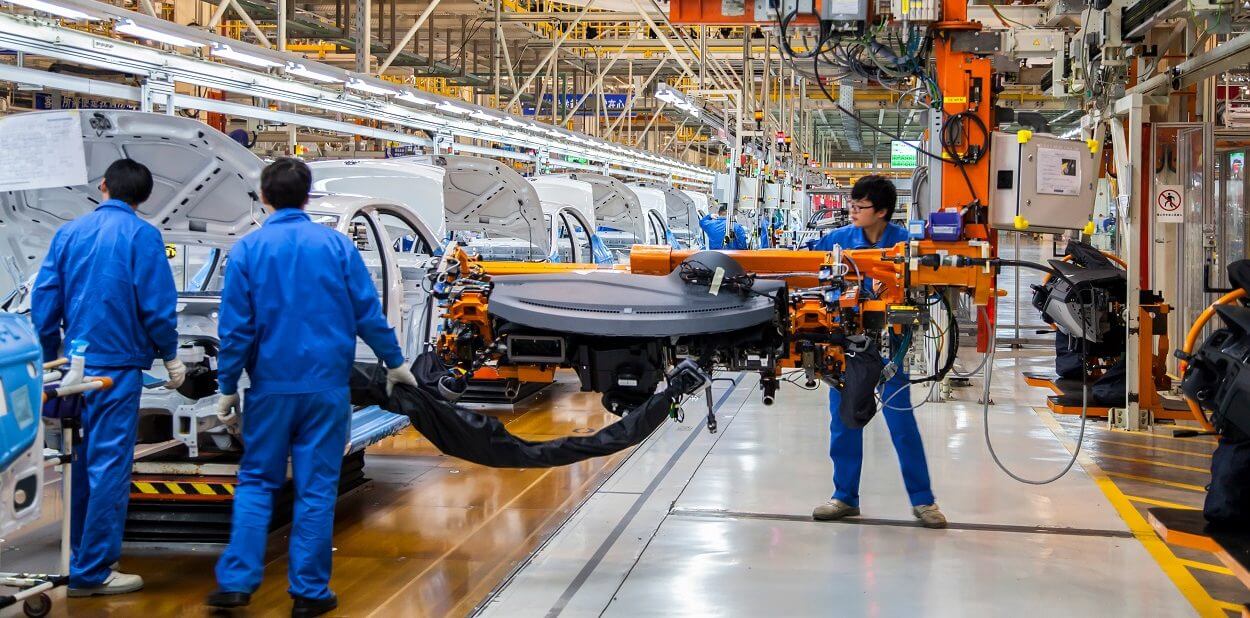
The manufacturing industry in China is not just the largest sector in the country, but also in the world. The success of China’s manufacturing industry is backed by economic policies that encourage productivity and the introduction of new ideas. The country’s large workforce, over 773 million in 2024, contributes to the size of its manufacturing sector.
Over the years, China’s manufacturing sector has maintained deep roots in products like steel, coal, aluminium, and machinery. However, recent shifts are starting to favour electronics, electric vehicles, and renewable energy.
2. Electronics and Information Technology
China is a major contender in the world’s electronics industry, as well as in information technology. The country’s progressive approach to production is a major driving force behind its large stake in the world’s IT and electronics markets.
Huawei, Hisense, and Lenovo are among China’s leading electronics companies, specialising in the production of smartphones, computers, televisions, and refrigerators etc. China’s IT industry is renowned for its software development giants like Tencent and Baidu.
Another indicator of the size of China’s electronics and IT industry is its position as the world’s largest market for producing and consuming semiconductors.
3. Automobile Manufacturing
Since 2008, China has been recognised as the world’s biggest producer of automobiles, and currently holds first place for both production and sales.
The growth of China’s automobile sector began with foreign collaborations and investments. Over time, local companies began gaining traction and now hold the majority of shares in the country’s automotive industry.
The effect of science and technology on China’s economy is also felt in the automotive industry, as there is a huge presence of electric vehicles in the country.
Top Chinese companies in the automotive industry include Chery and Geely, which produce gasoline-powered cars. Another notable manufacturer is BYD, which surpasses Tesla in electric vehicle sales.
4. Financial Services
The banking sector in China is the largest in the world, with assets having more value than those of the US and the UK. The Ministry of Finance and the People’s Bank of China (PBC) are the main bodies in charge of regulation for the banking and finance industry in China.
Most of the notable financial bodies in China are owned and managed by the government. The PBC manages important aspects like currency circulation, international trade, and budget dispensation.
The four biggest banks in China, often referred to as the “Big Four”, are:
- The China Construction Bank
- The Bank of China
- The Agricultural Bank of China
- The Industrial and Commercial Bank of China
5. Real Estate and Construction
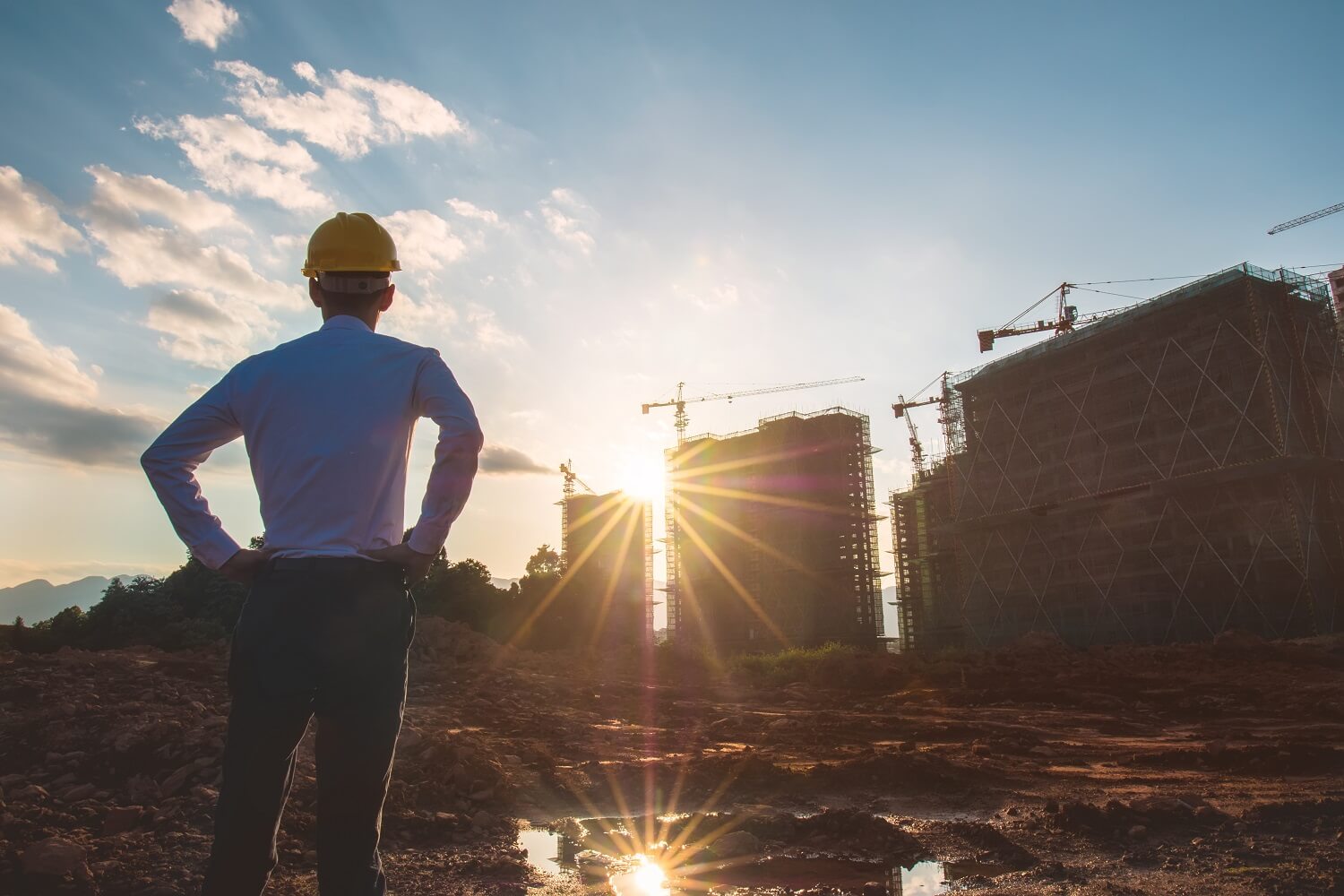
The housing industry in China accounts for a large chunk of the country’s economy, comprising the construction, rent, and sale of property. To stop the decline of real estate and construction activities in China around 2023, the government provided financing to support the industries.
The Ministry of Housing and Urban-Rural Development plays an important role in providing and managing housing and construction-related procedures in the country.
Among the major real estate and housing companies in China, some of the most notable include Country Garden, China Vanke, and China Evergrande Group.
6. E-Commerce and Online Shopping
The growth of China’s e-commerce sector was triggered by the global financial crisis in 2008, forcing investors to focus on the domestic scene. By 2013, China became the number one e-commerce market in the world, a position it has maintained ever since.
The prevalence of internet use and the affordable cost of products are factors that contribute to China’s huge e-commerce industry. Also, the COVID-19 pandemic was an additional driving force for the adoption of online shopping in China.
The biggest names in China’s e-commerce scene are domestic brands like Alibaba, JD.com, and Pinduoduo. Foreign brands do not have a very large presence in the country.
7. Energy Sector
China’s energy sector is crucial to the country’s infrastructure and development, as companies rely on the multiple power sources available.
The most important energy source in China is coal, as almost every province in the country has varying volumes of coal deposits. China produces and consumes over 4.3 billion tons of coal every year, accounting for more than 50% of the world’s coal use and 59% of China’s electricity generation.
While China imports a significant amount of crude oil, the country has an oil and gas industry that relies on its naturally occurring crude oil and natural gas deposits.
As alternatives to petroleum and coal, China’s energy sector also focuses on renewable energy sources. China’s terrain of mountains and rivers results in a considerable hydroelectric energy sector, which makes up about 14% of the country’s electricity supply, while wind and solar energy make up 11% and 10% respectively.
8. Mining Industry
China’s mining industry is a global powerhouse, rich in diverse natural resources. It is a top producer of iron ore, essential for its vast steel sector. China also extracts significant amounts of metals like aluminium, zinc, and copper, and is a major producer of gold and tin.
The presence of rare earth elements, graphite, and fluorite is vital to China’s tech industries.
Leading companies like China Shenhua Energy and Aluminium Corporation of China (Chalco) play key roles in extracting and processing natural resources. Both companies are state-owned, and they drive China’s position as a top player in domestic and international mineral markets.
9. Agriculture
China’s agriculture industry is one of the biggest globally, feeding over a billion people. China is the biggest producer of rice in the world, and other major crops in the country include wheat, corn, soybeans, and potatoes. The country is also a top producer of fruits, vegetables, and tea.
China’s fertiliser industry is vast, and it helps to support high crop yields through the widespread use of nitrogen, phosphate, and potash fertilisers.
The government, through the Ministry of Agriculture and Rural Affairs, promotes applying modern techniques to ensure food security and sustainable farming practices.
Leading agriculture companies like COFCO Corporation, China National Seed Group, and YTO Group play vital roles in producing and processing food, as well as the supply of agricultural equipment.
10. Entertainment and Digital Economy
China’s entertainment and digital economy have experienced explosive growth, as the country is a global powerhouse in gaming, streaming, and digital content.
China boasts the world’s largest gaming market, led by giants like Tencent and NetEase, whose popular titles reach audiences worldwide. Streaming platforms like iQiyi and Youku are domestic alternatives to international services, driving a booming online video industry.
Chinese films and music are gaining more international recognition, supported by government agencies like the China National Radio and Television Administration, which regulates and promotes cultural exports.
China is also making increasing investments in virtual reality and e-sports, and this is rapidly shaping the future of global digital entertainment.
Trade and International Relations
China remains the world’s largest exporter, with a diverse portfolio of products, ranging from advanced electronics to consumer goods. Check out some of the country’s leading export categories below:
Electronic Devices
Electronic devices are at the heart of China’s export economy. Smartphones, semiconductors, and consumer electronics like TVs and wearable tech dominate this export category.
Major brands like Huawei and Xiaomi, along with countless Original Equipment Manufacturer (OEM) companies, make China a global production hub for both branded and white-label devices.
Machinery, Including Computers
Machinery accounts for a significant portion of China’s exported products, with the majority being electrical and industrial equipment. Chinese companies earn billions of dollars exporting large quantities of computers and computer parts, such as motherboards and servers.
These goods are essential to supply chains around the globe, supporting industries ranging from IT to aerospace.
Vehicles
China has emerged as a major player in the world’s automotive market, especially when it comes to electric vehicles (EVs). Companies like BYD and NIO export electric vehicles (EVs) to Europe and Southeast Asia, among other regions.
In addition to passenger cars, China also exports individual vehicle parts and components used by international vehicle producers.
Plastics
Another key component of China’s export sector is plastic materials and finished goods, ranging from packaging to household items. Since China has a massive manufacturing base, the country’s industries are able to produce plastic products on a large scale for global sale and industrial use.
Furniture
China is the world’s leading exporter of furniture, shipping out everything from traditional wooden beds and tables to upholstered chairs. A good chunk of China’s furniture exports goes to the US, Japan, and countries in Europe.
The low costs of production and efficient logistics make China a great choice for foreigners looking to purchase furniture.
Economic Challenges and Outlook
As much as China boasts a massive economy with prospects for large and small businesses, the country faces certain economic hurdles, like:
Coal and Energy Consumption
China’s rapid industrial growth has been heavily reliant on coal, making it the world’s largest consumer of this fossil fuel. Despite efforts to diversify energy sources, coal still accounts for nearly 60% of China’s energy supply.
This dependence on coal is a significant challenge for sustainable development and energy security, as coal power plants contribute to fluctuating energy supplies and environmental risks.
Greenhouse Gas Emissions
As the world’s largest emitter of greenhouse gases, China plays a central role in global climate change discussions. The country’s industrial sectors, transportation, and urbanisation contribute to immense carbon dioxide emissions.
Although China has intentions to become carbon neutral by 2060, balancing economic growth with environmental goals remains a complex issue.
Pollution and Environmental Impact
Air and water pollution continue to affect public health and quality of life in many Chinese cities. Industrial emissions, vehicle exhaust, and coal burning contribute to smog and the poor quality of air.
Water contamination from factories and agricultural runoff also poses risks to ecosystems and communities. The government has implemented stricter regulations and invested in clean energy, but the country still struggles with pollution.
Economic Transition
In recent years, China has faced the ongoing challenge of transitioning from an economy that is heavily reliant on investment and manufacturing to one more dependent on consumption and innovation.
This economic shift results in structural inefficiencies, an increase in labour costs, and the need to manage debt levels while sustaining growth in a complex global environment.
Despite economic growth, the minimum wage in China remains an issue as the country tries to balance industrial expansion with improved labour standards.
Future Projection for China’s Economy
China’s economy is expected to continue growing, but at a slower pace compared to its rapid expansion in past decades. According to the International Monetary Fund (IMF), China’s GDP is projected to grow by around 4.5% in 2026.
The potential progress of China’s economy reflects the country’s shift from heavy industry to services and high-tech innovation. The government is paying more attention to sustainable development, green energy, and domestic consumption.
Despite challenges like an ageing population, real estate debt, and global trade tensions, China remains a key player in the world economy. With strong manufacturing, tech, and export sectors, the country is likely to stay influential in global markets.
China’s economy has shifted from manufacturing-focused to technology, e-commerce, and services, with sectors like semiconductors, electric vehicles, renewable energy, and software now driving growth and investment. Entering these high-growth industries requires understanding sector-specific incentives, IP protections, and regulatory pathways. MSA Asia advises on China company setup tailored to your industry’s tax and compliance profile. Speak with our advisors about your sector.