 General Guides
 Regional Guides
 Starter Guides

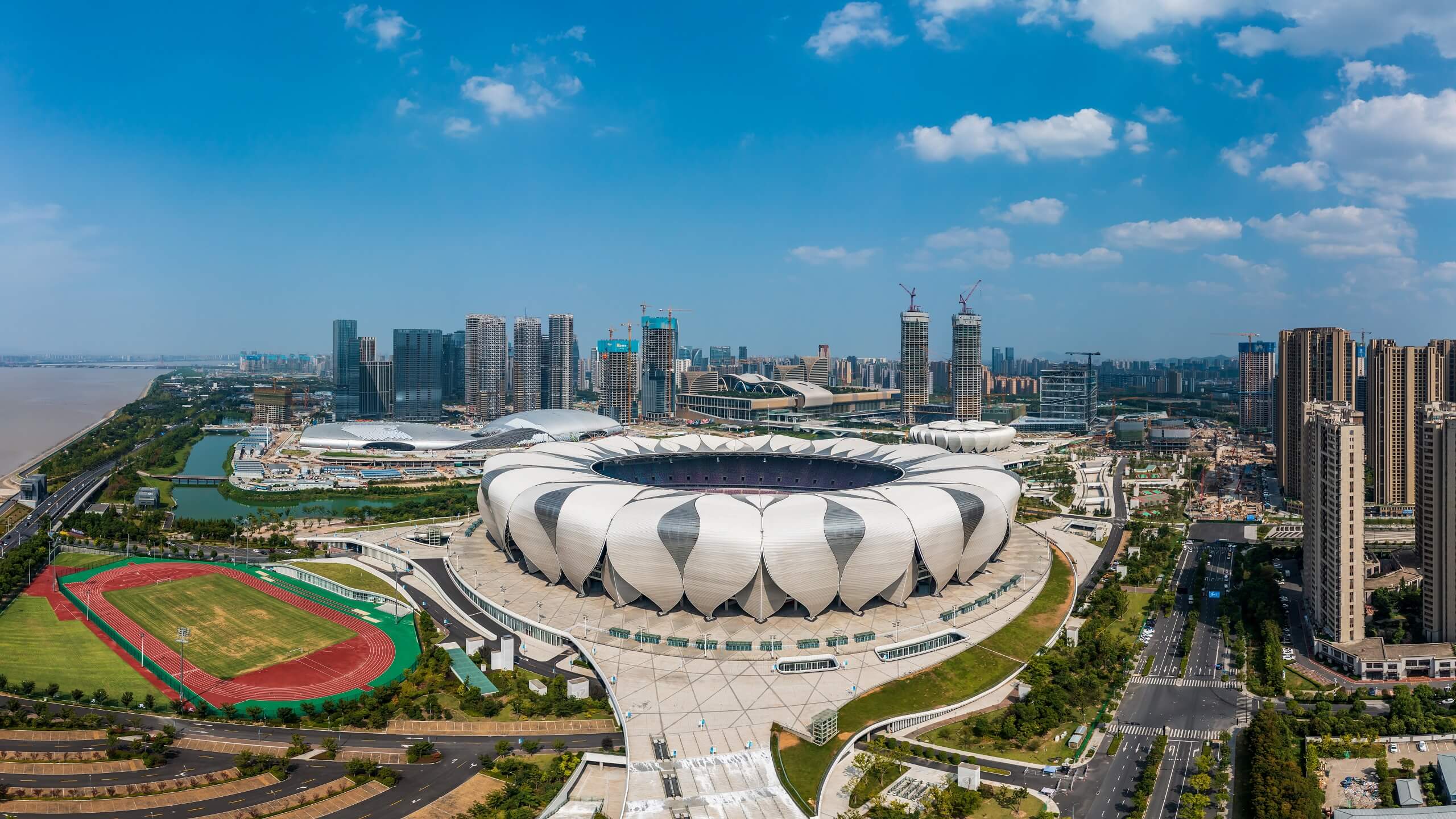
Nestled at the heart of China, Hangzhou is a burgeoning hub for technology and digital infrastructure. Its affluent population and strategic location along the Grand Canal make it a prime destination for foreign investors eager to tap into China’s expanding domestic market. The city’s rapid economic growth is largely driven by advancements in its digital technology sector, which have attracted major global companies . For foreign investors and enterprises, Hangzhou’s renowned innovation zones offer an optimal and incentivized environment for pioneering industry and technology.
General Information on Hangzhou
Home to over 12.3 million residents, Hangzhou is the capital city of Zhejiang Province and one of China’s most economically advanced cities. In 2024, Hangzhou’s GDP exceeded RMB 2.0 trillion, reflecting sustained growth driven by the digital economy and high-tech industries and has been widely long regarded as one of China’s most prosperous and commercially active cities. The city is established as the core of the surrounding Hangzhou metropolitan area, which is the fourth largest in China. Despite being smaller than Shanghai, Hangzhou boasts an array of benefits that create an enticing business environment for domestic and foreign businesses and investors. Hangzhou offers attractive government tax incentives, cheaper office set-up costs than Shanghai, and an established network of local IT providers. The city is renowned for its commitment to economic growth, and according to the Global Financial Centers Index, Hangzhou is among the top 100 world financial centers (See Z/Yen Group) . Beyond its financial status, the area is a global powerhouse for scientific research, ranked as the world’s 16th best for scientific output.
| Key Data | Details |
|---|---|
| Location | Northeastern Zhejiang Province, China |
| Population | Approximately 12.3 million |
| GDP (Latest) | USD $315–325 billion (based on 2024 data) |
| Major Industries | Technology, Digital Infrastructure, Tourism, Tea Production |
| Famous Landmark | West Lake |
| Climate | Subtropical monsoon climate with four distinct seasons |
| Historical Significance | Key hub along the Grand Canal and Yangtze River Delta |
| Major Companies | Alibaba Group, Ant Group, Hikvision, Dahua Technology, Geely |
Doing Business in Hangzhou
The attractive economic landscape of Hangzhou continues to attract investors seeking to take advantage of the thriving local industrial and digital scene. Recent strong performances of Hangzhou’s key industries have driven the city’s GDP growth rate to around 4-5% in recent years. According to the World Bank, Hangzhou’s permanent resident per capita GDP of US $22,600 is on par with those of high-income countries, which is unsurprising given the city’s location in East China’s most affluent region.
Major Industries in Hangzhou
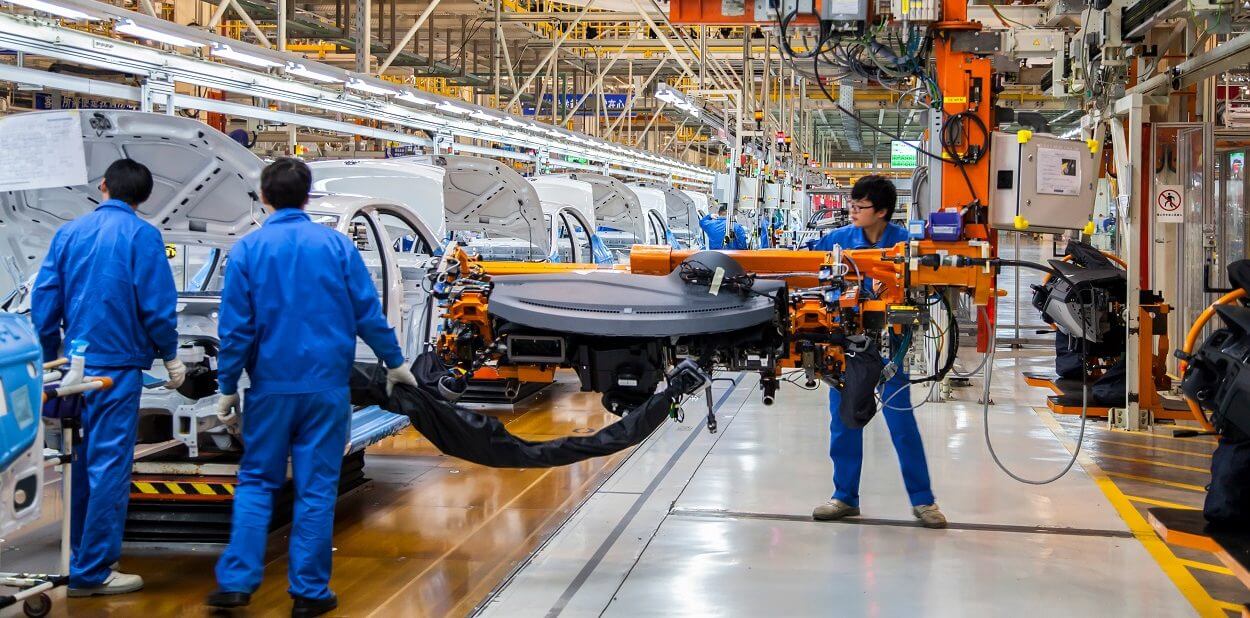
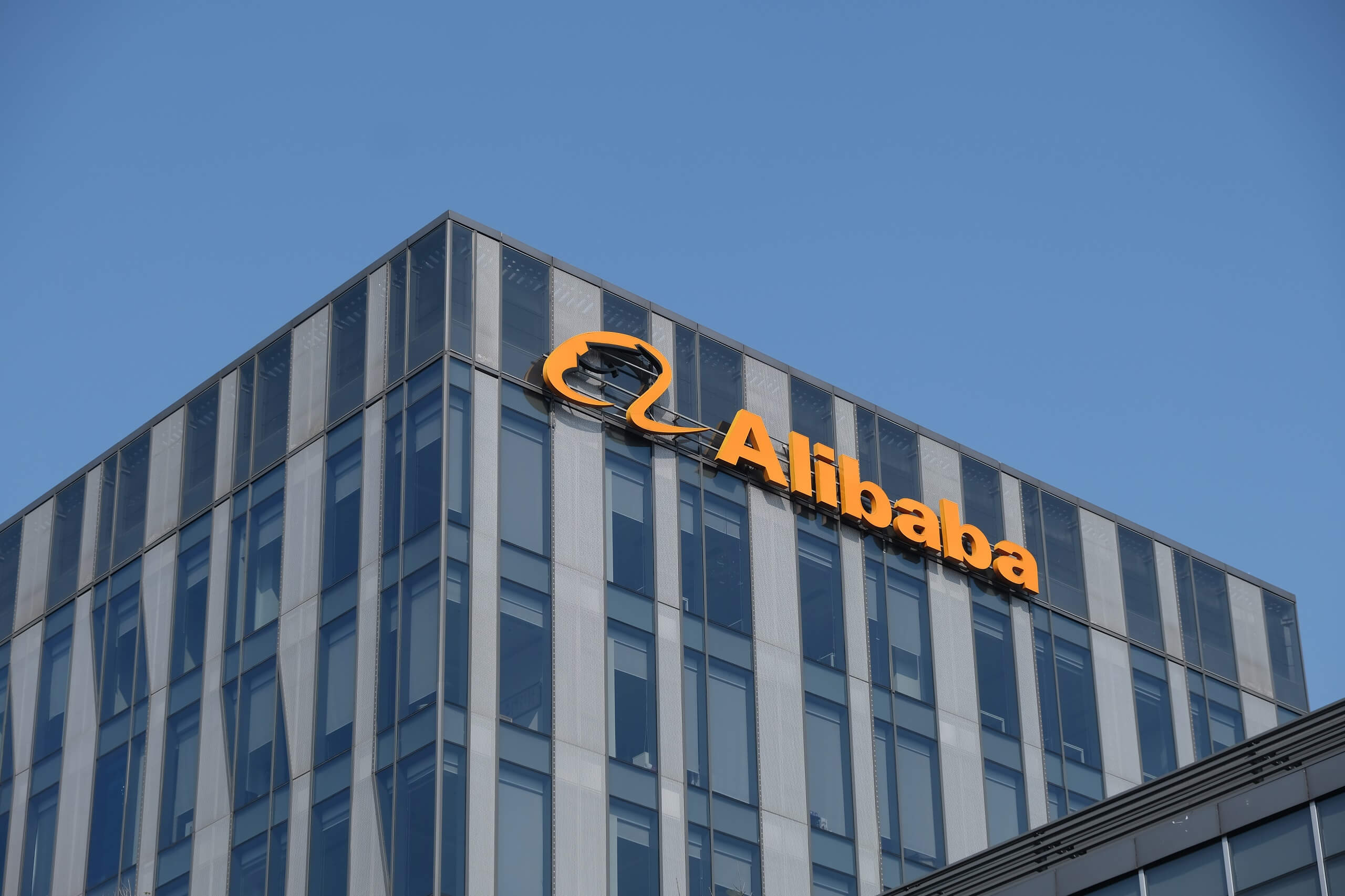
The growth of Hangzhou’s economy is predominantly spurred by the expansion of the digital economy, with many technology and e-commerce companies choosing to open hubs in the region. Hangzhou hosts a high concentration of Fortune Global 500 and leading Chinese technology company headquarters, including Alibaba. The financial services industry also significantly contributes to the city’s GDP, with recent advancements in the financial technology sector helping Hangzhou reside in China’s top five financially competitive cities. The manufacturing industry’s notable performance in Hangzhou occurs in the city’s national industrial parks, where fiber optics and telecommunication companies develop next-gen products. Prominent technology companies like Alibaba and New H3C are major contributors to Hangzhou’s reputation as one of China’s main centers for integrated circuit design.
Is Hangzhou a Good Place to Do Business?
Forward-thinking business policies and incentives introduced by the Chinese government have created a prosperous business climate for those looking to do business in Hangzhou. Recent high-quality economic policies have included increased financial incentives to venture capital firms and a technology achievement transformation fund to foster technological innovation. These promotions of economic growth continue to develop Hangzhou’s thriving ecosystem for domestic and foreign enterprises seeking to trade in the region.
Where to Invest in Hangzhou
Enterprises and industries across Hangzhou are divided into seventeen development zones, ranging from technological development to digital health hubs. The government business policies and incentives are geared to attract tomorrow’s enterprises and promote innovation across its major industries. Here’s an overview of two of Hangzhou’s most advanced development zones:
Hangzhou Economic and Technological Development Zone
Since 1993, the Hangzhou Economic and Technological Development Zone has become a focal point of technological development and innovation in China. Located in the center of the Yangtze River Delta economic circle, this development zone is conveniently located near the Hangzhou Xiaoshan International Airport and only about 150 km from Shanghai’s city center. The zone primarily focuses on the development of five major industries to boost the area’s diverse digital offerings, including:
- Textile and chemical fiber
- Electronic engineering
- Light industry and food
- Biological medicine
- High-tech chemical industry
Hangzhou High-tech Industry Development Zone (Binjiang)
The Hangzhou High-tech Industry Development Zone is home to over two-thirds of Hangzhou’s resident technology companies and is considered one of the most attractive areas for domestic and foreign investors. Dynamic business incentives in the area provide talent-fostering programs and venture capital aid utilized by global powerhouses like Alibaba and Mitsubishi. The zone has grown to be a world-renowned name for technological enterprise, attracting high-quality talent to contribute to the future of technology.
Is Hangzhou a Good Place to Invest?
At the heart of the Zhejiang province, Hangzhou offers investors a rich combination of strategic advantages, innovation, and cultural heritage. Evident in both the city’s historically strong GDP growth and continuously updated business incentives, the area is an optimal location for anyone seeking to take advantage of prosperous local industries. Located at the southern end of the Grand Canal of China, Hangzhou attracts investors keen to tap into a strategic gateway of China’s economic dynamism. The city embodies China’s economic prowess and undivided commitment to development and technological innovation, with an excellent blend of business policy and international trade relations.
| Feature | Hangzhou Economic & Technological Development Zone (HETDZ) | Hangzhou High-tech Industry Development Zone (Binjiang) |
|---|---|---|
| Primary Focus Industries | Textiles, electronics, food processing, biotech, chemical engineering | ICT, fintech, AI, cloud computing, integrated circuits |
| Location & Accessibility | Near Xiaoshan International Airport; 150 km from Shanghai | Central Hangzhou; strategic proximity to Alibaba HQ |
| Business Incentives | Tax incentives, industrial subsidies, export support | Talent grants, R&D subsidies, venture capital access |
| Main Advantage | Diverse industrial ecosystem integrated into Yangtze River Delta | Strong technology cluster attracting global corporate investment |
| Ideal For | Manufacturing, biotech, chemical, consumer goods | Technology firms, startups, high-growth digital companies |
Doing Business in Hangzhou
The attractive economic landscape of Hangzhou continues to attract investors seeking to take advantage of the thriving local industrial and digital scene. Recent strong performances of Hangzhou’s key industries have driven the city’s GDP growth rate to nearly 4%. According to the World Bank, Hangzhou’s permanent resident per capita GDP of US $22,600 is on par with those of high-income countries, which is unsurprising given the city’s location in East China’s most affluent region.
Major Industries in Hangzhou
The growth of Hangzhou’s economy is predominantly spurred by the expansion of the digital economy, with many technology and e-commerce companies choosing to open hubs in the region. Hangzhou is home to the 10th most Fortune Global 500 headquarters of any city globally, including the major tech company, Alibaba, founded in Hangzhou (See Fortune Global 500 Headquarters Distribution). The financial services industry also significantly contributes to the city’s GDP, with recent advancements in the financial technology sector helping Hangzhou reside in China’s top five financially competitive cities. The manufacturing industry’s notable performance in Hangzhou occurs in the city’s national industrial parks, where fiber optics and telecommunication companies develop next-gen products. Prominent technology companies like Alibaba and New H3C are major contributors to Hangzhou’s reputation as one of China’s main centers for integrated circuit design.
Is Hangzhou a Good Place to Do Business?
Forward-thinking business policies and incentives introduced by the Chinese government have created a prosperous business climate for those looking to do business in Hangzhou. Recent high-quality economic policies have included increased financial incentives to venture capital firms and a technology achievement transformation fund to foster technological innovation. These promotions of economic growth continue to develop Hangzhou’s thriving ecosystem for domestic and foreign enterprises seeking to trade in the region.
Where to Invest in Hangzhou
Enterprises and industries across Hangzhou are divided into seventeen development zones, ranging from technological development to digital health hubs. The government business policies and incentives are geared to attract tomorrow’s enterprises and promote innovation across its major industries. Here’s an overview of two of Hangzhou’s most advanced development zones:
Hangzhou Economic and Technological Development Zone
Since 1993, the Hangzhou Economic and Technological Development Zone has become a focal point of technological development and innovation in China. Located in the center of the Yangtze River Delta economic circle, this development zone is conveniently located near the Hangzhou Xiaoshan International Airport and only about 150 km from Shanghai’s city center. The zone primarily focuses on the development of five major industries to boost the area’s diverse digital offerings, including:
- Textile and chemical fiber
- Electronic engineering
- Light industry and food
- Biological medicine
- High-tech chemical industry
Hangzhou High-tech Industry Development Zone (Binjiang)
The Hangzhou High-tech Industry Development Zone is home to over two-thirds of Hangzhou’s resident technology companies and is considered one of the most attractive areas for domestic and foreign investors. Dynamic business incentives in the area provide talent-fostering programs and venture capital aid utilized by global powerhouses like Alibaba and Mitsubishi. The zone has grown to be a world-renowned name for technological enterprise, attracting high-quality talent to contribute to the future of technology.
Is Hangzhou a Good Place to Invest?
At the heart of the Zhejiang province, Hangzhou offers investors a rich combination of strategic advantages, innovation, and cultural heritage. Evident in both the city’s historically strong GDP growth and continuously updated business incentives, the area is an optimal location for anyone seeking to take advantage of prosperous local industries. Located at the southern end of the Grand Canal of China, Hangzhou attracts investors keen to tap into a strategic gateway of China’s economic dynamism. The city embodies China’s economic prowess and undivided commitment to development and technological innovation, with an excellent blend of business policy and international trade relations.
How to Register a Company in Hangzhou
Registering a company in Hangzhou, China, involves several steps but offers tremendous opportunities in one of the country’s most vibrant business hubs. Hangzhou, renowned for its technological innovation and entrepreneurial spirit, provides an ideal landscape for startups and established businesses. Business registration in Hangzhou requires compliance with national regulations and local administrative procedures.
Steps to Register a Business in Hangzhou
- Determine the Business Structure
Decide whether the business will be a Wholly Foreign-Owned Enterprise (WFOE), Joint Venture (JV), or Representative Office. Each structure has distinct legal implications and ownership models.
- Select an Appropriate Company Name
Ensure the company name complies with Chinese naming conventions and does not conflict with existing trademarks or businesses.
- Prepare Necessary Documentation
This includes preparing a business scope, articles of association, and identification papers for shareholders and directors.
- Open a Corporate Bank Account
Set up a corporate bank account to handle financial transactions.
- Obtain a Business License
Apply for and obtain a business license from the relevant local authorities.
- Register for Taxes
Complete tax registration and obtain the necessary tax certificates.
- Fulfill Industry-Specific Permits
Acquire any additional permits required for specific industries.
- Engage with Legal Counsel or a Local Partner
To streamline the registration process, work with legal experts or local partners, like MSA, who are knowledgeable about China’s business laws.
Hangzhou offers incredible opportunities, but administrative procedures can be overwhelming. MSA handles licensing, banking, taxation, and ongoing compliance so you can focus on growing your business. Message →
Hangzhou’s status as headquarters for tech giants like Alibaba and its innovation-focused ecosystem makes it attractive for tech and e-commerce businesses seeking rapid growth. MSA Asia’s China company setup expertise covers the Hangzhou tech ecosystem and regulatory environment. Contact our team to explore a Hangzhou location.