 General Guides
 Regional Guides
 Starter Guides


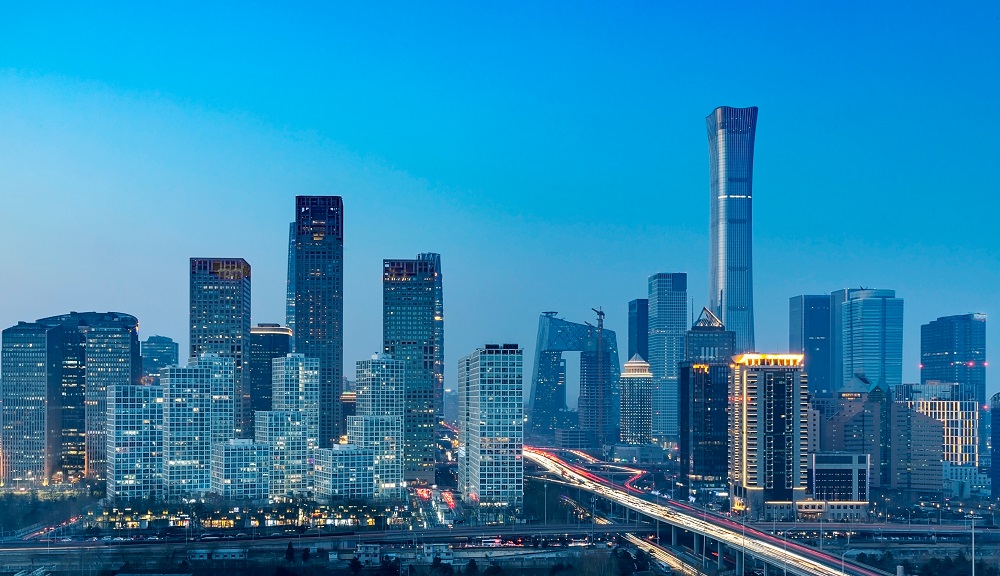
Emerging as one of China’s most innovative and economically competitive cities, Shenzhen presents a wealth of growth opportunities for foreign investors. Despite its relatively short history, dating back to the 1970s, Shenzhen has transformed from a small border town into a bustling global metropolis. The city is particularly renowned for its focus on technology and manufacturing industries. As China’s first Special Economic Zone, Shenzhen has been a pioneer in economic reform and development. In 2021, the city’s trade in goods grew by an impressive 16.2%, with similar trends projected for the future.
This article explores why Shenzhen remains a top destination for foreign investment, highlighting its dynamic economic landscape and cutting-edge manufacturing and technology sectors.
Shenzhen’s 2025 – 2026 Economic Landscape
As of 2025–2026, Shenzhen continues to rank among China’s most dynamic and innovative cities, with its economy maintaining solid momentum, GDP in 2025 is expected to reach approximately 3.9–4.0 trillion yuan, reflecting an annual growth rate of around 5.5%, supported by strong performance in the first half of the year (GDP of about 1.83 trillion yuan, up 5.1% year-on-year). (See Source). Shenzhen’s success is driven by its strong manufacturing and services sectors and its position as a hub for technology and innovation. The city’s commitment to building affordable housing and attracting talent has further solidified its status as one of China’s new wealth hubs, reshaping the global economic landscape.
Shenzhen has also become a startup hub, home to over 11,000 high-tech enterprises (See Shenzhen Statistics Bureau). The city has emerged as a leader in China’s digital economy, with well-known technology giants Huawei and Tencent headquartered there.
With a population of over 17 million, the city continues to attract skilled labor and businesses and is anticipated to continue on the growth path.
In terms of infrastructure, the city boasts its airport, multiple train stations, a robust metro system, and a dynamic port, which effectively supports businesses’ expansionary operations.
| Key Data | Details |
|---|---|
| Location | Southeastern Guangdong Province, China |
| Population | Approximately 17 million |
| GDP (2022) | USD 475 billion |
| Major Industries | Technology, Finance, Logistics, Manufacturing |
| Famous Landmark | Shenzhen Bay Park |
| Climate | Subtropical monsoon climate with mild winters and hot summers |
| Historical Significance | One of China’s first Special Economic Zones (SEZs) established in 1980 |
| Major Companies | Huawei, Tencent, DJI, BYD, ZTE |
Shenzhen Company Registration
Our corporate services team can help your company establish itself quickly and efficiently in Shenzhen. We offer comprehensive services, including WFOE setups, branch office establishment, and more. With over a decade of experience supporting foreign businesses in China, our experts at MSA are well-equipped to navigate the complex investment landscape and position your business for success. We specialize in accounting and corporate setup services and ensure compliance and help you overcome any challenges. Contact us for more information on how we can assist you.
WFOE in Shenzhen
Setting up a Wholly Foreign-Owned Enterprise (WFOE) in Shenzhen offers several strategic advantages for international businesses. Shenzen is a vibrant hub for technology and innovation, attracting a pool of skilled professionals and fostering a dynamic business environment. Establishing a WFOE in Shenzhen allows companies to engage in the local market directly, maintain complete control over their operations, and benefit from the city’s proximity to major manufacturing centers. Additionally, Shenzhen’s strategic location near Hong Kong provides convenient access to global markets and financial resources. The city’s supportive policies for innovation and foreign investment make it an attractive choice for companies seeking to capitalize on China’s rapidly growing economy.
MSA establishes WFOEs, branch offices, or joint ventures and guides you through local compliance, tax, and payroll Message →
The Advantages of Investing in Shenzhen
Infrastructure
Shenzhen boasts remarkable infrastructure that has played a crucial role in its economic development and emergence as an attractive city for investment.
With a highly developed transport network, Shenzhen’s transport system features an extensive subway system, well-maintained roads, and efficient public transport.
The city’s advanced telecommunications infrastructure supports high-speed internet connectivity and enables efficient communication channels, which are essential for modern business operations.
Strategic location
Furthermore, Shenzhen’s strategic location, with its proximity to Hong Kong, provides significant advantages for local businesses. Notably, the State Council announced the Qianhai Plan to expand and deepen reform, opening up the Qianhai Shenzhen-Hong Kong Modern Service Industry Co-operation Zone (See Source). The Qianhai Plan expands the cooperation zone to over 120 square kilometers, facilitating trade and sharing services.
The Hong Kong—Shenzhen border is one of the busiest crossings globally, facilitating the move of goods, people, and capital between the cities. This gives companies in Shenzhen access to Hong Kong’s extensive international networks and financial ecosystem. Additionally, it offers easy access to Hong Kong’s ports and global transport routes. Hong Kong is currently Shenzhen’s largest trading partner, with a trade value of more than 650 million between the two cities in 2022.
Additionally, each city’s strengths complement the other. While Hong Kong is well known as a financial and professional services hub, Shenzhen mainly focuses on its manufacturing and technology capabilities. With such a strong strategic alliance, Shenzhen is a thriving investment destination and provides a competitive advantage to the businesses operating in the region.
Skilled workforce
Additionally, Shenzhen boasts a highly skilled workforce, particularly in the tech sector. The city’s rapid economic development and focus on innovation have resulted in a large talent pool operating across multiple sectors. The city is also committed to the development of its talent pool by offering subsidies and creating training bases and service platforms that allow for development and job recommendations.
Finding skilled labor to sustain growth, research and development, and general operations is often one of the most pressing challenges in launching a startup. Establishing a base in Shenzhen significantly mitigates this challenge.
Attractive policies
Shenzhen government officials are also actively implementing policies and incentives to attract investments to the city. Notably, various tax incentives contribute to business profitability. In particular, Shenzhen’s tax rate under the Free Trade Zone agreements is a mere 16.5%, compared to the national standard corporate income tax rate of 25%.
Furthermore, there is no duty tax on warehousing within Shenzhen’s Free Trade Zone. This eliminates the burden of calculating and paying import taxes, allowing owners to quickly move and deliver goods to the mainland without any import tax requirements. In contrast, many other Chinese cities do not offer such benefits to business owners.
Finally, the city of Shenzhen allows for the use of various incentive and grant programs. Active businesses in the Free Trade Zone can receive bonuses and grants that encourage investment, and the relaxed regulations continue to enable enterprises to set up in the region.
| Strategic Advantage | What It Means for Investors | Why It Matters in Practice |
|---|---|---|
| World-Class Infrastructure | High-speed transport, advanced telecom, international airport & ports | Reduces logistics costs, accelerates supply chain, supports scaling |
| Proximity to Hong Kong | Access to global finance, cross-border trade, legal ecosystem | Easier banking, RMB/HKD flows, international shipping |
| Skilled Tech Workforce | Deep talent pool in AI, hardware, robotics, fintech | Faster product development, access to research labs |
| Innovation & R&D Policies | Subsidies, grants, FTZ benefits, tax incentives | Reduces initial burn, increases runway, encourages early growth |
| Manufacturing Ecosystem | Integrated hardware supply chain & global OEMs | Prototype-to-scale in weeks, not months |
| SEZ Legacy & Business Culture | Market-driven, lean, entrepreneurial | Startup-friendly, ecosystem density, rapid iteration |
Why Invest in Shenzhen?
Investing in Shenzhen provides many opportunities to establish your own business or invest in existing enterprises. Over the past four decades, Shenzhen has transformed from a small fishing riding business hub. The city has numerous villages, including tech firms and the Shenzhen Stock Exchange.
Only some cities can rival Shenzhen when meeting the demands of large-scale manufacturing and technology start-ups. With a robust supply chain, highly skilled labor force, favorable government policies, and strategic location, Shenzhen provides investors with an ideal business environment for growth and expansion.
The city’s officials have set a list of benchmark projections for the future. Shenzhen has established itself as a leading innovation hub, with a strong focus on public services and sustainable industries, supported by long-term urban and industrial development policies. Emphasis has been placed on research and development initiatives to position the city as a global leader.
Extending to 2035, Shenzhen is forecasted to become an international leader in creativity and entrepreneurship. Shenzhen will serve as a model for other cities seeking to establish a strong base of successful startups. By 2050, Shenzhen is poised to emerge as a powerhouse for competitiveness, influence, and innovation.
With its vibrant economy, well-developed infrastructure, favorable policies, and more, Shenzhen creates an enticing offer for companies looking to set up operations in China.
Shenzhen’s Thriving Technology Industry
In the media, Shenzhen is sometimes called the Silicon Valley of China, mainly due to its thriving ecosystem of notable technology startups and competitive environment.
With the implementation of the 14th Five-Year Plan, the city is actively pursuing its vision of establishing its core digital economy industries as the main driver behind its GDP and business landscape. Core digital economy industries encompass all digital products, services, and infrastructure dependent on data elements and digital technologies.
Technology will remain at the forefront of business initiatives over the next few years. Selecting the right location to launch or expand your business is essential to maximizing reach, facilitating growth, and achieving profitability.
Shenzhen’s Manufacturing Capabilities
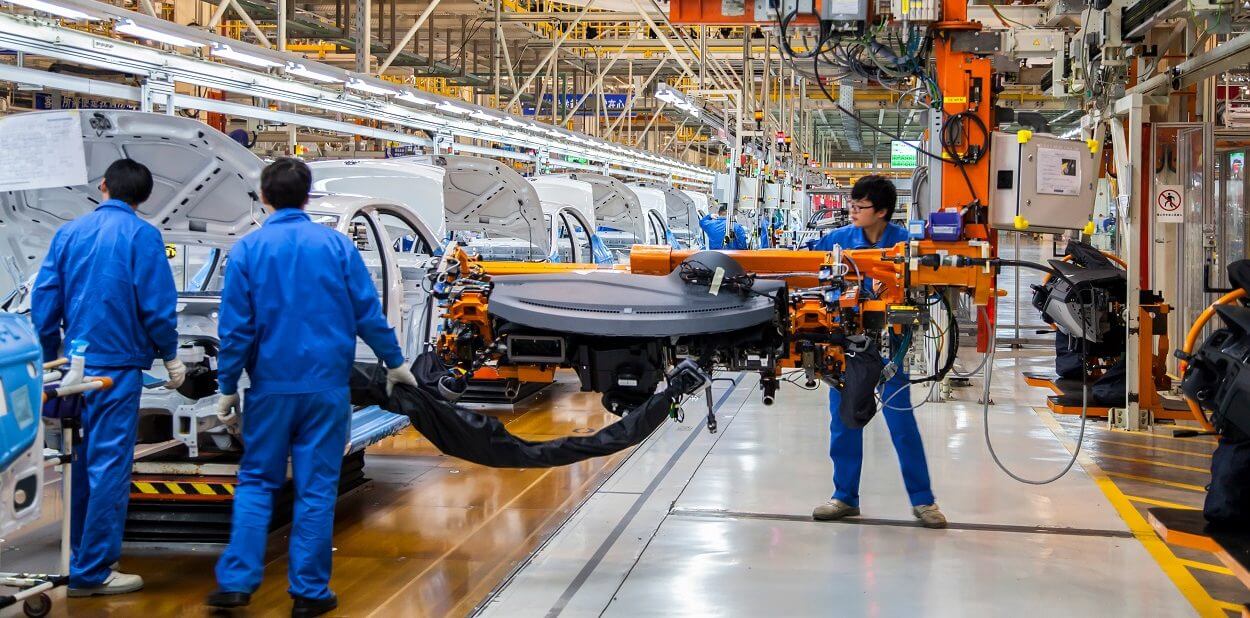
In addition to the flourishing technology sector, manufacturing plays a vital role in Shenzhen’s economic landscape. The city is home to many growing manufacturing sectors, including automobiles, smartphones, and 3D printing. At the end of 2020, Shenzhen boasted over four million workers in manufacturing businesses.
Notably, Global companies such as Foxconn and CATL have established a presence in Shenzhen. With continuous movement to Shenzhen from both startups and established organizations, many investors are capitalizing on the advantages the region has to offer.
Shenzhen’s special economic zone status has driven tech and innovation advantages, though property costs and wage inflation have pushed labor-intensive operations toward interior cities. China company setup experts at MSA Asia help evaluate whether Shenzhen remains optimal for your sector and growth stage. Get in touch to assess your Shenzhen location strategy.