 General Guides
 Regional Guides
 Starter Guides


MSA handles incorporation, bank account setup, tax filings, and payroll so you can focus on growth — not paperwork. Message →
Exploring Each Asian Tiger
Hong Kong: The Gateway to Mainland China

Hong Kong, a Special Administrative Region in South China, is one of the most densely populated territories globally. As of the most recent available data, Hong Kong’s population is approximately 7.4 million, with GDP at around USD 385 billion. Hong Kong is known for its aggressive free-trade policies, sophisticated infrastructure, and minimal inward or outward investment restrictions.
Opening a Company in Hong Kong
Opening a company in Hong Kong is straightforward, thanks to its business-friendly environment and minimal bureaucratic hurdles. The city offers a variety of business structures, including sole proprietorships, partnerships, and limited companies. Foreign entrepreneurs can complete the registration process online through the Companies Registry. The absence of foreign exchange controls and the low-tax regime make Hong Kong an attractive destination for international businesses. Hong Kong’s strategic location also provides a gateway to mainland China, further enhancing its appeal for global expansion.
Hiring or Relocating Talent in Hong Kong
Work visas in Hong Kong are relatively easy to obtain, simplifying the hiring or relocation process for international companies. Employees must have a job offer comparable to the existing market rate and cannot be readily replaced by the local workforce.
Singapore: The Business-Friendly Hub
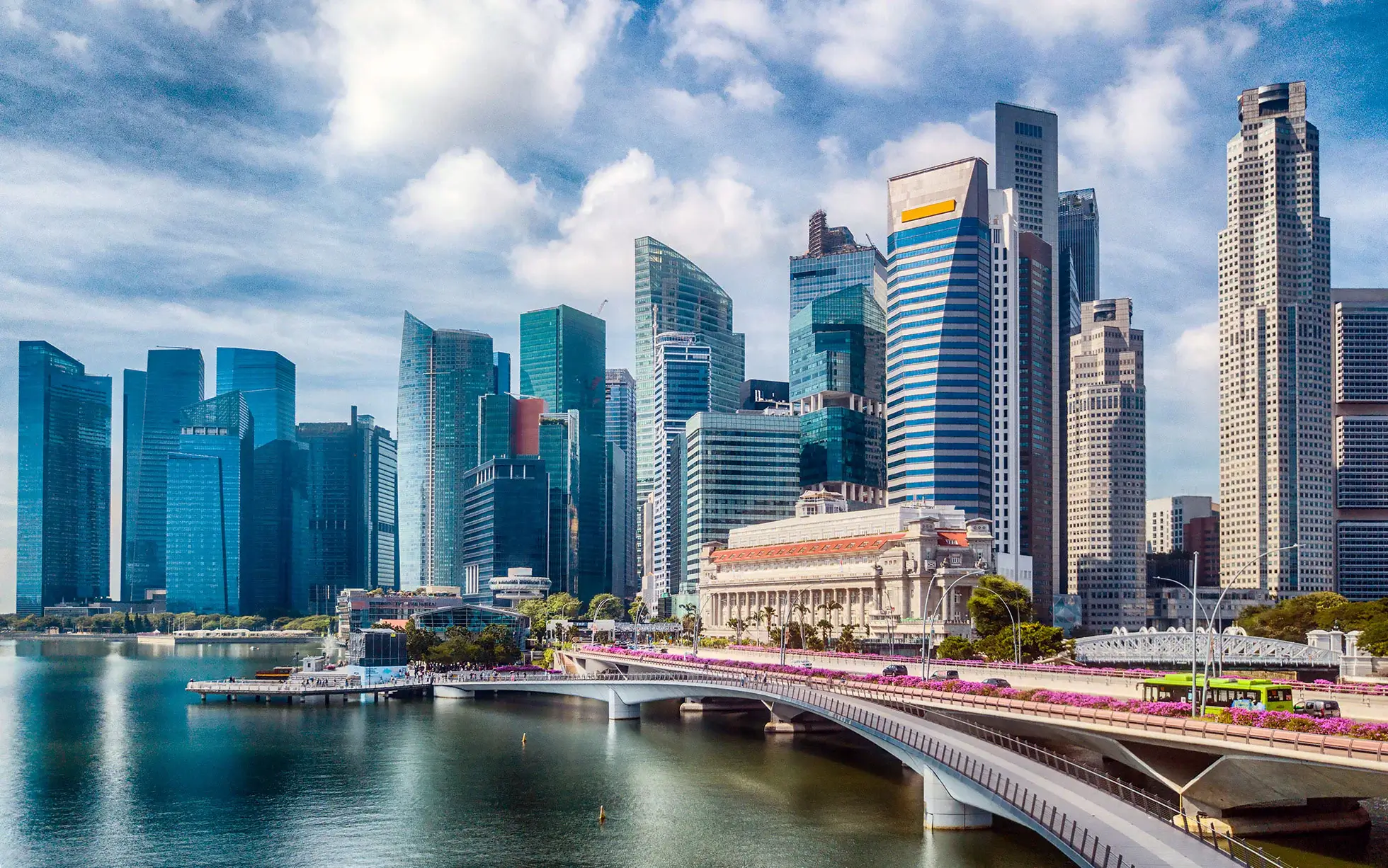
With a population of 5.6 million and a GDP of $497 billion, Singapore is a global financial center and a leading exporter of products and services. Known for its business-friendly economy and forward-looking government policies, Singapore offers a “no red tape” environment for business incorporation, tax forms, and visa applications.
Opening a Company in Singapore
Singapore is renowned for its ease of business, consistently ranking high in global business environment indices. To open a company in Singapore, foreign entrepreneurs must register their business with the Accounting and Corporate Regulatory Authority (ACRA). The process is streamlined and can be completed online within a few days. Singapore offers various business structures, including private limited companies, which are the most common. The country’s robust legal framework, low taxes, and extensive network of free trade agreements make it an ideal location for international business operations.
Hiring or Relocating Talent
Singapore boasts a competitive workforce with high English proficiency. Many foreign nationals do not need a business visa before arriving but must obtain a Singapore work pass through their employer.
South Korea: The Tech-Savvy Powerhouse
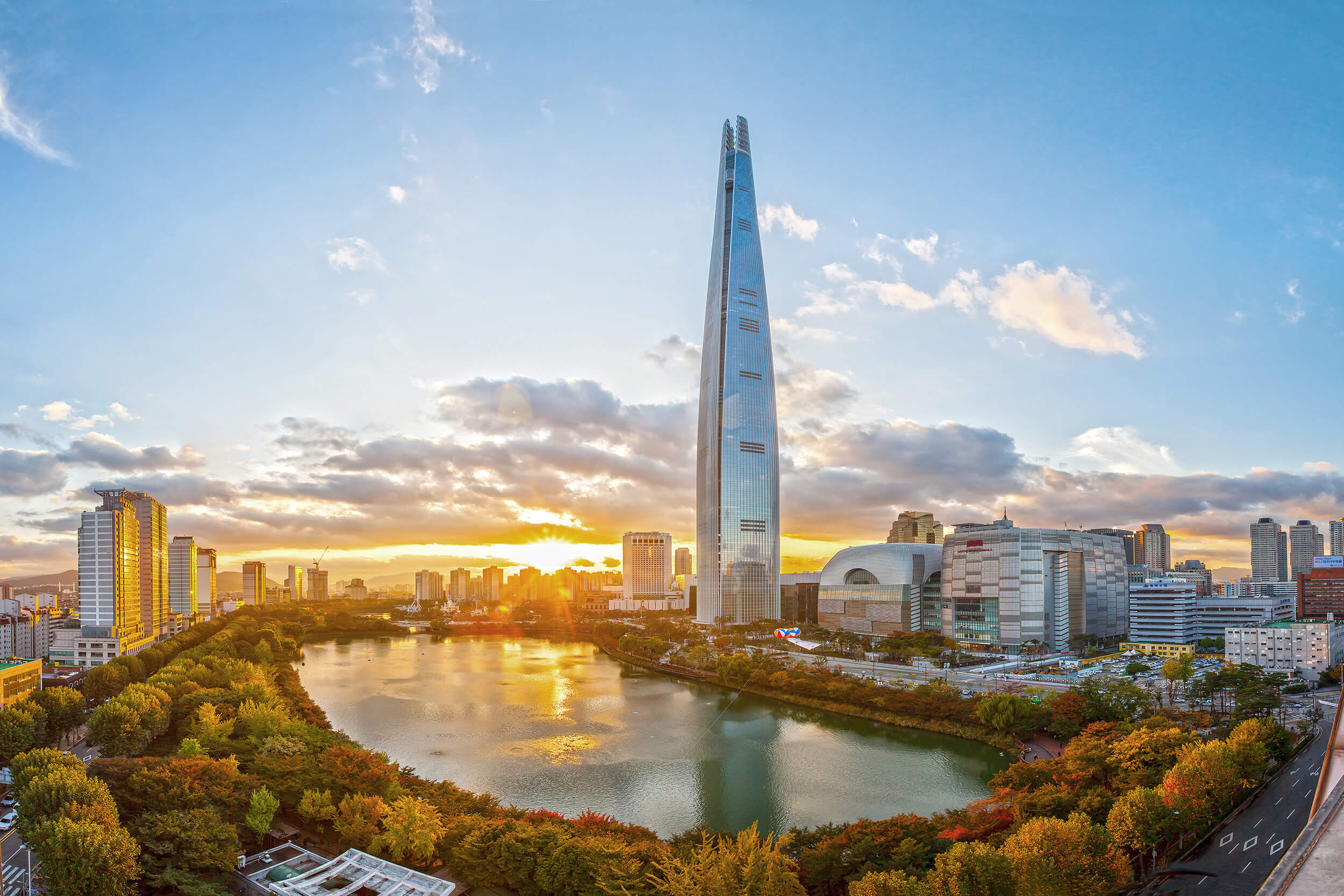
South Korea, located on the Korean Peninsula, has a population of 51.6 million and a GDP of $1.72 trillion. The government continues to promote foreign investment through tax incentives and grants, and the country remains a leading manufacturer of electronics and semiconductors.
Opening a Company in South Korea
South Korea offers a conducive environment for foreign businesses, with various incentives to attract international investment. Foreign entrepreneurs must register with the Korean Trade-Investment Promotion Agency (KOTRA) to establish a company in South Korea. The process involves selecting a business structure, such as a local corporation or a branch office, and complying with local regulations. South Korea’s strategic location, advanced infrastructure, and government support make it an attractive destination for businesses, especially those in technology and manufacturing.
Hiring or Relocating Talent
South Korea has a highly educated and technologically literate workforce. However, its immigration and visa system can be complex. Foreign employees must obtain a letter of recommendation from the government and have an established job offer before obtaining a visa.
Taiwan: The Manufacturing Giant
With a population of 23 million and a GDP of $752 billion, Taiwan is a manufacturing hub known for producing parts incorporated into final products elsewhere. The Taiwanese government actively promotes foreign direct investment, focusing on maintaining its tech leadership.
Opening a Company in Taiwan
Taiwan offers a business-friendly environment with simplified processes for foreign entrepreneurs. Foreign investors must register with the Ministry of Economic Affairs (MOEA) to open a company in Taiwan. The process involves selecting a business structure, such as a limited liability company or a branch office, and complying with local regulations. Taiwan’s strategic location, skilled workforce, and robust infrastructure make it an ideal business destination.
For those in the manufacturing and technology sectors. Taiwan’s government also provides various incentives and support programs to attract foreign investment, making it easier for international companies to establish and grow their operations.
Hiring or Relocating Talent
Taiwan has made it easier for international companies to relocate or hire foreign nationals. After extending offer letters to their employees, employers must apply for work visas at the Ministry of Labor. Taiwan’s skilled workforce, particularly in the technology and manufacturing sectors, offers a significant advantage for companies looking to expand.