
 General Guides
 Regional Guides
 Starter Guides

Key Takeaways
- Value-added products can be created by creating different end-products or changing production methods.
- They can also be produced through effective marketing techniques.
- Value-added products can increase customer satisfaction.
- Companies should use customer feedback to find opportunities to create value-added products and increase their revenue.
Many businesses that expand internationally do so by developing and selling ‘value-added’ products. Here we explain what this concept means and the benefits of this kind of product development.
What is a Value-Added Product?
A value-added product is any product that has been enhanced or improved such that its price is greater than the raw materials that went into it. These enhancements can include improving shelf life, appearance, convenience, taste, durability, and usefulness. Adding value to products is one way that raw materials can be transformed into much more saleable commodities. A product may have value added to it in various ways along a value chain, which can lead from raw materials to consumer products. Each step in a value chain may be performed by a different business or by the same business as it transforms inputs into highly valued outputs.
The value added to a product can be calculated by subtracting from its sale price the costs of production (raw materials, labor, transport, etc.). Value added is then revenue minus intermediate costs.
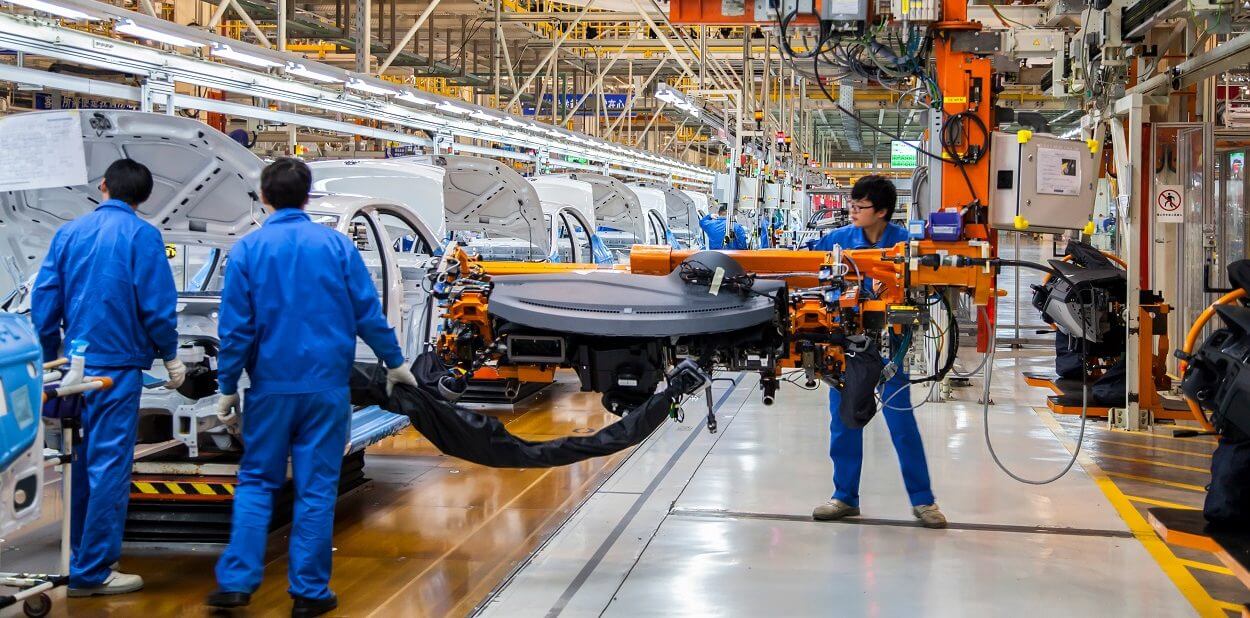
Consumers rarely want raw materials: They almost always prefer products that have been transformed through industrial processes into something much more useful. Value-added products can be found in all industries but are most common in agriculture and manufacturing, where a lot of value can be added to raw materials. For example, it is increasingly common for global businesses to develop products in China through a value-added process. This value can be intrinsic, adding quality to the product itself, or extrinsic, adding value through packaging or marketing.
Examples include:
- Steel. Iron ore is mined and smelted to create a purer, more durable and long-lasting product.
- Canned Tomato Sauce. Value is added to tomatoes by cooking and concentrating them and also increasing their storage life.
- Branded t-shirts. Regular t-shirts (themselves value-added products made from fibers that have been woven into cloth and then cut and sewn into garments) branded with designer logos can be sold for much higher prices than plain t-shirts.
- Advanced software. Basic software can have value added by improving its user interface and adding customizable features.

Developing value-added products in China? MSA supports foreign businesses with entity setup, compliance, and manufacturing structuring. Message →
What Are the Benefits of Value-Added Products?
Value-added products can produce a lot of advantages that can’t be obtained by selling raw materials. These benefits for businesses that produce value-added products include:
- Increased profitability. When companies add value to raw materials or to other products in the value chain, they can find more ways to increase revenue. They can also increase their profit margins since a value-added product may sell for much more than the materials and price of production.
- Competitive advantage. Producing unique value-added products may allow a company to access new markets and demographics. It may also be the only firm modifying products in a certain way and this can let it thrive.
- Enhanced customer satisfaction. Value added to products from food to electronics can increase customer satisfaction. This may attract more loyalty from existing customers and increase recommendations, helping a company to grow its customer base.
- Improved longevity. Value-added products can have more appeal and attractiveness. This can help them stay in the market longer and allow a business to continue creating revenue over time.
How to Develop Value-Added Products
Value-added products can be created in a number of ways. The most obvious is changing the form of a raw material into a different product that has increased value. However, there are other ways to develop value-added products that include but are not limited to:
- Adding features or services. Simply adding a GPS to a car adds value. The car may be sold for more than its original sale price plus the cost of the GPS, thus increasing the profit margin.
- Changing production processes. Value-added products can be consumer products or even raw materials that have been produced in an innovative way. Organic vegetables are sold for higher prices not only because their production costs more but also because they can be considered more desirable. Likewise, products produced using sustainable energy may be considered value-added if this can attract a higher price.
- Increasing quality. Expert production processes may also be able to produce products of a higher quality than any competitors, creating an advantage for the producer.
- Innovation. Companies can perform market research to find out what consumers want in a new or improved product. If they can innovate to match these expectations, they may gain a competitive advantage by adding value to their products in ways no one else can.
Value-Added Methods and Commercial Impact
| Value-Added Method | How Value Is Added | Cost Impact | Pricing / Revenue Impact |
|---|---|---|---|
| Product Processing | Raw materials transformed into finished goods | Medium | High |
| Feature Enhancement | Added functions or bundled services | Low–Medium | Medium–High |
| Quality Improvement | Higher durability or performance | Medium | Medium–High |
| Branding & Packaging | Perceived value and differentiation | Low | Medium |
| Innovation & R&D | New or differentiated offerings | High | High |
| Sustainable Production | Organic or green production methods | Medium | Medium |
How to Market Value-Added Products
Adding value to products extrinsically can also be done through clever marketing practices. Marketing can add value and increase the profit margins of products by:
- Packaging. Better, more attractive packaging can make products more desirable and increase their sale prices.
- Branding. Rebranding often-rejected overgrown brown mushrooms as “Portobello” mushrooms made them seem exotic and classy so that they now sell for more by weight. Branding is thus one way to create a value-added product.
- Incentives. Providing warranties and technical support can add a lot of value to products by adding an extra reason to purchase a product over a competitor.
Products marketed with “value-added” features command price premiums only if customers perceive genuine differentiation—a perception requiring credible marketing claims and product performance validation. Overstated claims invite regulatory scrutiny and customer dissatisfaction. China company setup include advertising claims verification, compliance reviews, and marketing strategy support. MSA Asia ensures your product marketing withstands regulatory scrutiny. Reach out to review your marketing compliance.
The best places to look for opportunities to add value are in production and consumer needs. Changing or modifying production processes can decrease costs and make products more desirable. External market research can let companies know how to better satisfy their customers’ needs and guide them in the best ways to add value to their products.
Many firms try to create value-added products without doing adequate consumer research. This places them at risk of investing time and funds into the development of products that may not meet consumer needs.