
 General Guides
 Regional Guides
 Starter Guides

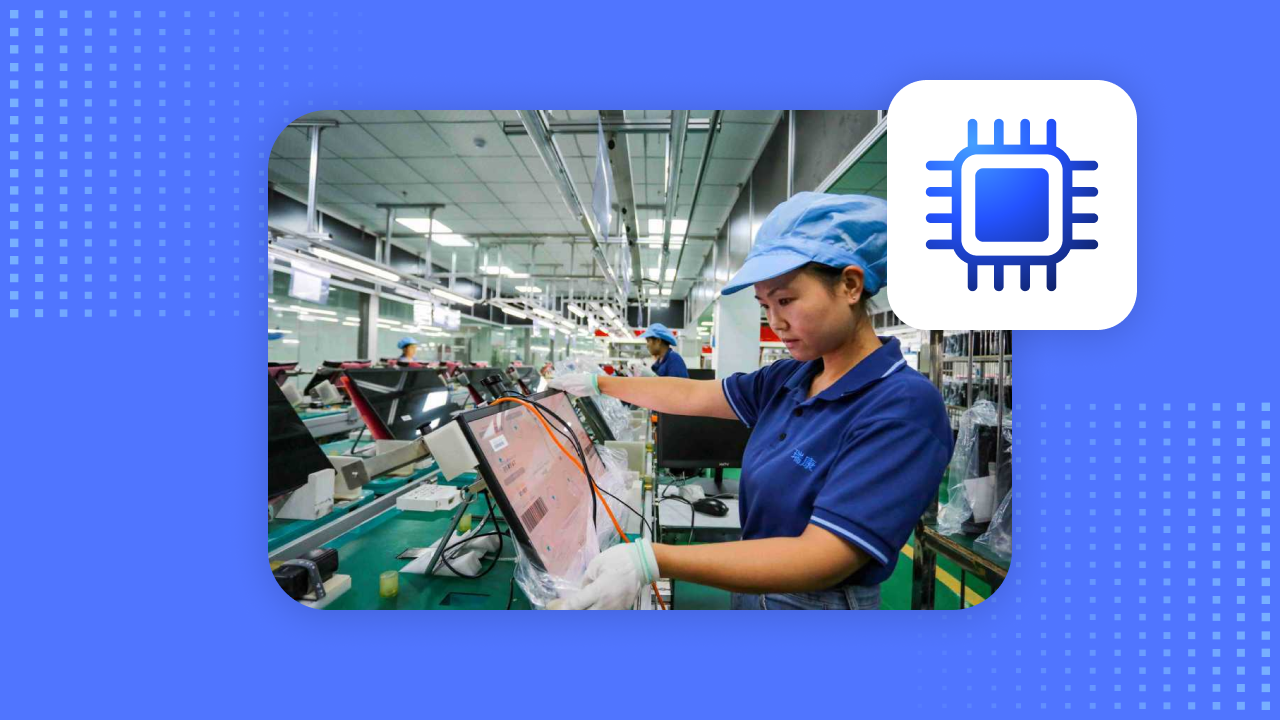
The consumer electronics market in China is a dynamic and rapidly evolving sector that plays a significant role in the country’s economic landscape. This comprehensive analysis delves into the latest trends, consumer behaviors, regulatory impacts, and future projections, providing a detailed understanding of the opportunities and challenges businesses face within this vibrant market.
Evolving Consumer Behavior and Demographic Preferences in China’s Electronics Market
Understanding consumer behavior and demographic preferences is crucial for businesses operating in China’s consumer electronics market. This section explores Chinese consumers’ current trends and preferences, highlighting the factors driving their purchasing decisions.
Chinese consumers are increasingly tech-savvy and demand innovative products. The surge in smart home devices, driven by 5G networks, is notable (See Statista). Younger demographics, especially millennials and Gen Z, prefer products that enhance convenience and lifestyle (See McKinsey & Company).
This trend has led to a rise in sales of smartphones, smart TVs, and wearable devices. The urban population with higher disposable incomes will likely invest in premium electronics. While rural areas are slower to adopt, they are growing markets for basic electronics as incomes rise.
The Impact of Globalization on China’s Consumer Electronics Industry
Globalization has significantly influenced China’s consumer electronics market, introducing international competition and fostering innovation. This section examines how globalization has shaped the industry and the implications for local and international companies.
Globalization has opened China’s market to international brands and influenced local companies to innovate. Brands like Apple, Samsung, and Xiaomi compete closely with local giants. Global competition has led to improvements in product quality and a broader range of options for consumers.
Additionally, partnerships between Chinese and foreign firms have brought advanced technologies and spurred local innovation. However, this also means Chinese companies must constantly adapt to global standards and trends to stay competitive. Export opportunities have also expanded, allowing Chinese firms to reach international markets and drive growth.
Navigating the Regulatory Environment in China’s Consumer Electronics Sector
Government policies and regulations are pivotal in shaping the consumer electronics market. This section provides insights into the regulatory landscape and its impact on businesses operating in China.
Government policies play a significant role in shaping the consumer electronics market. Regulations ensure safety standards and control imports and exports. Policies promoting technological advancements and innovation have led to substantial investments in public and private research and development.
Additionally, environmental regulations influence how products are manufactured and disposed of. For instance, policies on e-waste management affect the entire lifecycle of electronic products. Companies must navigate these regulations to avoid penalties and operate efficiently. Moreover, local manufacturing incentives support domestic companies’ growth and reduce reliance on imports.

MSA structures company registration, ICP licensing, cross-border trade compliance, and tax strategy so your brand enters China legally and competitively Message →
Exploring Sales Channels and Distribution Strategies in China’s Consumer Electronics Market
Effective sales channels and distribution strategies are essential for reaching consumers in China’s vast and diverse market. This section explores the various sales channels and the growing importance of e-commerce.
Comparing Brick-and-Mortar Stores to Online Sales Platforms in China
Both traditional brick-and-mortar stores and online sales platforms play significant roles in China’s consumer electronics market. This section compares these two sales channels and their respective advantages.
Brick-and-mortar stores remain significant in China. Many consumers still prefer visiting physical stores to see and test electronics before buying. However, online sales are rapidly increasing. In 2024, online retail sales of physical goods, including consumer electronics, accounted for approximately 26.8% of total retail sales of consumer goods in China, highlighting the importance of e-commerce channels in the market.
Retail giants like JD continue to dominate the online market, offering a wide range of electronics. E-commerce platforms provide the convenience of home delivery and often more competitive pricing. As a result, the market volume for online sales is steadily growing.
The Role of Cross-Border Trade and E-commerce in China’s Consumer Electronics Market
Cross-border trade and e-commerce are increasingly important in China’s consumer electronics market. This section examines how these trends shape the market and provide new business opportunities.
Cross-border trade and e-commerce are also rising in importance. Chinese consumers seek brands worldwide, often turning to online platforms to purchase international products. Distributors and trading companies play a crucial role in this process. They act as intermediaries, purchasing goods in bulk to sell them online. This system ensures a broad selection of products and helps global brands enter the Chinese market more efficiently. This cross-border interaction is shaping the future of consumer electronics distribution in China.
| Sales Channel | Strengths | Weaknesses | Best Use Case | Typical Cost Structure |
|---|---|---|---|---|
| Brick-and-Mortar Stores | Hands-on product demos; brand experience | High rent, staffing, regional coverage | Premium devices, flagship launches | Lease, staffing, local licensing |
| Domestic E-Commerce | Wide reach, fast delivery, user reviews | Intense price competition | Mid-range devices, mass volume | Platform fees, logistics, returns |
| Cross-Border E-Commerce | Imported brands, novelty demand | Customs, slower shipping | Niche or premium international products | Import duties, overseas fulfillment |
| Distributors & Trading Firms | Instant access to market | Less brand control | New foreign brands entering China | Wholesale margins, commission |
| Direct from Manufacturer (ODM/OEM) | Lowest unit cost, high scale | High MOQs, quality risk | Large volume white-label / OEM | Tooling, unit cost, QC, compliance |
Economic Contributions and Future Projections for China’s Consumer Electronics Industry
The consumer electronics market is a significant contributor to China’s economy. This section explores the industry’s economic impact and provides future projections for its growth.
Analyzing Economic Contributions of the Consumer Electronics Sector in China
Understanding the economic contributions of the consumer electronics sector is essential for grasping its overall impact. This section delves into how the industry supports the economy through various channels.
The consumer electronics industry is a substantial part of China’s economy, contributing to GDP through manufacturing, sales, and exports. The industry supports various jobs, from research and development to retail and customer service. Major cities like Shenzhen and Guangzhou are known as global hubs for electronics manufacturing, housing numerous factories and tech companies.
The growth of this sector also stimulates related industries, such as logistics, advertising, and retail. For instance, the rise of e-commerce platforms has increased demand for delivery services and digital marketing professionals.
Growth of Export Markets for Chinese Consumer Electronics
Exports play a crucial role in the growth of China’s consumer electronics market. This section examines the key export destinations and the factors driving the expansion of export markets.
China is a leading exporter of consumer electronics, with products ranging from smartphones and laptops to home appliances and wearable technology. The country’s robust manufacturing capabilities and competitive pricing make it a preferred supplier for global markets.
Key export destinations include the United States, Europe, and Southeast Asia. Trade agreements and partnerships further enhance China’s export potential, allowing for smoother transactions and reduced tariffs. For instance, the Belt and Road Initiative aims to improve trade routes and economic cooperation with various countries, boosting export opportunities.
Future Projections and Emerging Trends in China’s Consumer Electronics Market
Several trends and projections indicate the future direction of China’s consumer electronics market. This section highlights key trends and provides insights into the market’s outlook.
The future of China’s consumer electronics market looks promising, with several trends expected to drive growth:
Continued Innovation: Companies will likely continue to innovate, focusing on emerging technologies such as artificial intelligence (AI), augmented reality (AR), and the Internet of Things (IoT). These advancements will lead to new product categories and enhanced functionalities in existing devices.
Increased Digitalization: China’s digital transformation will support the growth of smart devices and connected ecosystems. As more consumers adopt smart home technologies and wearable devices, the demand for integrated solutions will rise.
Sustainability Focus: Environmental concerns and regulatory pressures will push companies to adopt more sustainable practices. This includes developing eco-friendly products, improved recycling programs, and reduced carbon footprints in manufacturing processes.
Rural Market Expansion: As urban markets become saturated, companies will increasingly target rural areas. Government initiatives to improve rural infrastructure and internet connectivity will support this expansion, providing new growth opportunities.
Global Market Penetration: Chinese brands are expected to continue expanding globally, leveraging their cost advantages and technological prowess to capture market share in emerging economies.
Challenges and Opportunities in China’s Consumer Electronics Market
While the outlook for China’s consumer electronics market is positive, companies must navigate several challenges and opportunities. This section provides an overview of the key challenges and strategic opportunities for growth in this dynamic market.
Key Challenges Facing China’s Consumer Electronics Industry
Operating in China’s consumer electronics market comes with its challenges. This section identifies and explores the primary obstacles that companies must overcome to succeed.
Regulatory Compliance: Navigating the complex regulatory environment can be challenging, especially for international companies. Compliance with local laws, standards, and regulations is crucial to avoid penalties and ensure smooth operations. Companies must stay updated with frequent changes in policies and regulations to maintain compliance. For more information on regulatory compliance, refer to China’s Regulatory Environment.
Intense Competition: The market is highly competitive, with numerous domestic and international players vying for market share. Companies must continually innovate and differentiate their products to stay ahead. Price wars and rapid technological advancements increase the pressure on businesses to maintain their competitive edge.
Supply Chain Disruptions: Global supply chain disruptions, such as those caused by the COVID-19 pandemic, can impact production and delivery timelines. Companies need to build resilient supply chains to mitigate these risks. Ensuring a reliable supply of components and materials is critical to maintaining production schedules and meeting consumer demand.
Consumer Preferences: Rapidly changing consumer preferences require companies to stay agile and responsive. Understanding and anticipating market trends is essential for maintaining relevance. Companies must invest in market research and consumer insights to adapt their product offerings and marketing strategies accordingly.
Strategic Opportunities for Growth in China’s Consumer Electronics Market
Despite the challenges, there are numerous opportunities for growth in China’s consumer electronics market. This section highlights strategic areas where companies can focus their efforts to capitalize on market potential.
Technological Advancements: Investing in cutting-edge technologies such as AI, 5G, and IoT can provide a competitive edge. These innovations offer new functionalities and improve user experiences. Companies that lead in technological advancements can set industry standards and attract tech-savvy consumers.
E-commerce Growth: The expanding e-commerce market presents significant opportunities for reaching a broader audience. Companies can leverage online platforms to increase sales and enhance customer engagement. Developing robust online sales strategies, including partnerships with major e-commerce platforms, can drive significant growth.
Global Expansion: Chinese companies have ample opportunities to expand internationally. Strategic partnerships, acquisitions, and localized marketing efforts can help penetrate new markets and increase global market share. Understanding local market dynamics and consumer preferences is crucial for successful international expansion.
Sustainability Initiatives: Embracing sustainability can differentiate brands and appeal to environmentally conscious consumers. Companies prioritizing green practices may benefit from government incentives and improved public perception. This includes developing eco-friendly products, implementing recycling programs, and reducing carbon footprints in manufacturing processes.
Rural Market Expansion: As urban markets become saturated, targeting rural areas presents new growth opportunities. Government initiatives to improve rural infrastructure and internet connectivity will support this expansion. Companies can develop affordable and accessible products tailored to the needs of rural consumers.
Supply chain fragmentation and rising input costs are reshaping consumer electronics manufacturing in China, pushing companies toward automation and inland migration to maintain margins. China company setup advisors at MSA Asia help electronics firms navigate sourcing, manufacturing location, and cost optimization decisions. Drop us a line to discuss your manufacturing strategy.