Tax Identification Numbers (TINs) are a critical compliance requirement in tax administrations worldwide. They are unique identifiers which distinguish an ‘entity’ as a taxpayer, irrespective of their legal name.
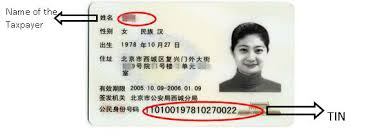
China’s TIN for individuals can include 18 numerals, with the final ten characters sometimes comprising letters, especially at the 9th, 10th, 13th, and 18th positions (See link).
Entities operating within China (such as Wholly Foreign-Owned Enterprises (WFOEs)) are also assigned unique identifiers. This system ensures efficient interaction between businesses and the Chinese tax authority, aligning with international standards established by organizations such as the OECD.
TINs in China streamline tax collection and compliance and reinforce the financial system’s integrity, ensuring that domestic and international fiscal regulations are adhered to with due diligence.
What Is China’s Tax Identification Number (TIN)?
The Chinese TIN is a unique 18-digit number or 17 digits followed by the letter ‘x’ for individuals using their Chinese ID card as identification. This structure affirms the accuracy and uniqueness of each taxpayer’s identity. Companies and corporations possess a Unified Social Credit Code (USCC), often visible on the business license, which follows the 18-digit format.
Types of Tax IDs in China
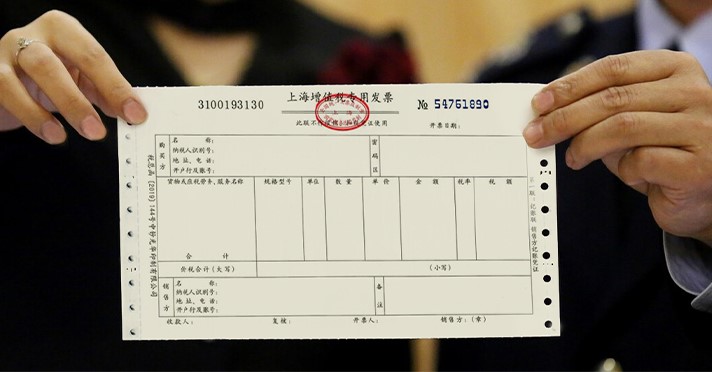
China issues different tax ID types, including the Individual Taxpayer Identification Number (ITIN) for sole proprietors and the Uniform Social Credit Code (USCC) for corporations, businesses, and legal entities. Additionally, there is the Social Security Number (SSN), mainly for social insurance purposes, and the VAT Number for value-added tax purposes.
Application and Usage of Tax IDs
Tax IDs are required in China for various legal and financial activities, such as filing income tax, signing contracts, and establishing corporate accounts. To apply, individuals must provide a passport or Chinese ID card, while entities need their articles of association, proof from the local tax office, and a business license.
International Context
The Chinese TIN system aligns with international standards set by organizations such as the OECD, allowing for effective tax information exchange with over 100 countries, including those in the European Union, Asia-Pacific region, and the Americas. This global relevance underscores the importance of the TIN structure for maintaining international economic relations and complying with worldwide tax frameworks.
The unified social credit code has consolidated tax identification with business registration, streamlining administrative requirements while increasing the linkage between tax compliance and corporate registration records. China tax filing advisors at MSA Asia help ensure your TIN is properly activated and maintained. Get in touch to verify your tax identification status.

 General Guides
 Regional Guides
 Starter Guides