 General Guides
 Regional Guides
 Starter Guides

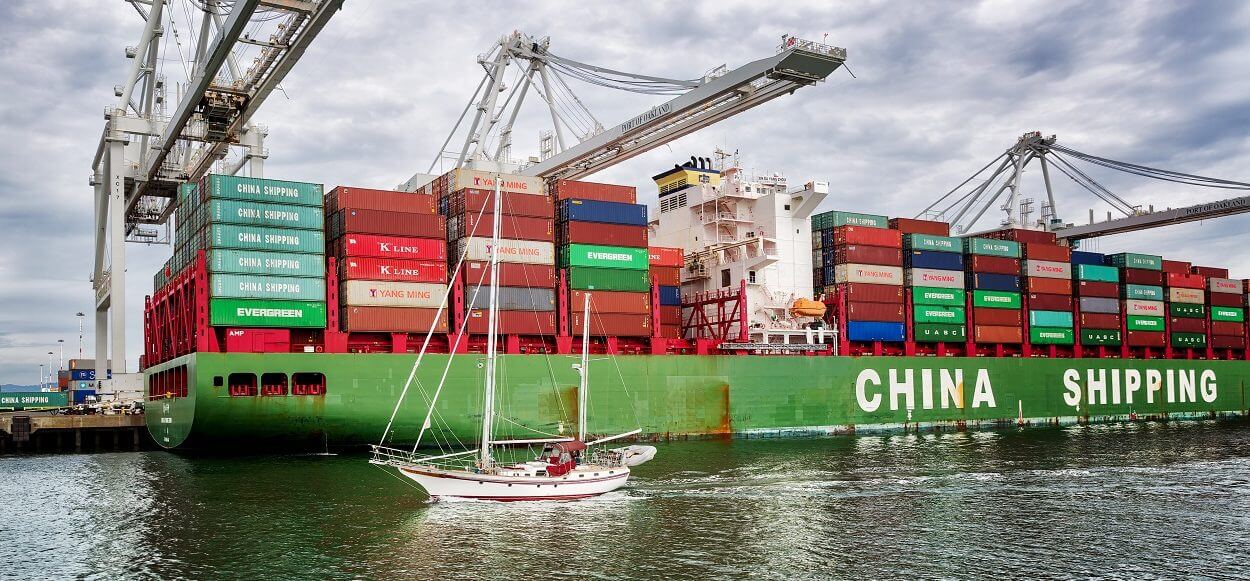
For foreign businesses operating in or trading with China, navigating the country’s export and import licence requirements is one of the most important compliance steps to get right. China maintains a tightly regulated trade framework, and failing to secure the correct approvals before moving goods across its borders can result in shipment delays, fines, or even the seizure of goods and criminal liability.
This guide outlines the key categories of export and import licences in China, who needs them, and how to apply, so your business can move goods compliantly and without disruption.
Why China Regulates Trade So Closely
China’s trade licensing regime reflects both strategic and economic priorities. The government uses export controls to protect national security and preserve access to key resources, while import licensing is used to manage domestic industries, protect public health, and meet international treaty obligations.
The legal framework governing this area includes the Foreign Trade Law of the People’s Republic of China, the Regulations on the Administration of Import and Export Goods, and a wide range of sector-specific regulations administered by bodies including the Ministry of Commerce (MOFCOM), the General Administration of Customs of China (GACC), and other line ministries.
Foreign businesses — whether operating through a Wholly Foreign-Owned Enterprise (WFOE), a Joint Venture, or as a cross-border trader — need to understand which licences apply to their goods and operations.
Note, 2026 licensing catalogues have just been issued by MOFCOM, which determine which kind of license needs to be applied for, so it is important for all businesses to check which category their product falls into.
Import Licences in China
China operates two main tiers of import control: automatic import licensing and non-automatic (restricted) import licensing.
Automatic Import Licences
Automatic import licences apply to a broad range of goods and are granted almost as a matter of course — provided the importer meets basic eligibility requirements. The purpose is primarily statistical: the Chinese government collects data on volumes of specific imports. Examples include certain agricultural products, chemicals, and machinery.
Applications for automatic import licences are made through MOFCOM’s licensing system. Approval is typically straightforward, but the licence must be obtained before customs clearance.
Non-Automatic Import Licences
Non-automatic import licences apply to a more restricted set of goods, where the government actively manages volumes or screens applicants. These include:
- Ozone-depleting substances. These are regulated under China’s obligations to the Montreal Protocol
- Certain chemicals and hazardous materials. These are subject to review by the Ministry of Ecology and Environment
- Waste materials. China has significantly tightened restrictions on solid waste imports in recent years.
- Agricultural products. This includes some grains, cotton, and sugar, which are subject to tariff-rate quotas.
- Specific industrial goods. This covers certain steel products or motor vehicles, depending on prevailing policy.
Approval for non-automatic licences is not guaranteed. The process involves demonstrating the end-use of the goods and, in some cases, showing that the importer holds relevant certifications or operates in a permitted industry.
Export Licences in China
China’s export licensing system has grown significantly in scope and complexity in recent years, particularly in response to geopolitical developments. The key categories are as follows.
General Export Licences
Many categories of goods require a general export licence issued by MOFCOM before they can be shipped. The list of controlled goods is published annually and updated by MOFCOM and the Ministry of Industry and Information Technology (MIIT). Common categories include:
- Mechanical and electrical products. Certain equipment or components used in manufacturing or technology.
- Chemical products. Including dual-use chemicals that have both civilian and potential military applications.
- Textiles. Subject to quota arrangements in some destination markets.
Dual-Use Export Controls
China’s Export Control Law, which came into force in December 2020, significantly expanded the government’s authority to restrict exports of goods, technology, and services with potential military applications. This applies not only to hardware but also to technical data and intellectual property.
Dual-use items, products with legitimate civilian applications that could also serve military or security purposes , require specific approval from MOFCOM before export. This is a fast-evolving area, and lists of controlled items have been updated multiple times since 2020 to include semiconductor materials, battery technologies, and drone components, among others.
Strategic and Military Goods
Exports of goods with direct military applications, or of items destined for entities on China’s controlled end-user list, are subject to strict review and are often prohibited entirely. Businesses should be careful when exporting to customers in industries or regions flagged under China’s export control framework.
How to Apply for Import and Export Licences
Licence applications in China are processed through MOFCOM’s Integrated Customs Management System and related platforms. The general process involves:
- Registration. The importing or exporting entity must be registered with MOFCOM as a foreign trade operator. This registration is typically obtained as part of the company registration process in China.
- Identifying the applicable licence type. Businesses should check their HS (Harmonised System) codes against MOFCOM’s published controlled goods lists for the current year.
- Preparing documentation. This typically includes the trade contract, packing list, invoice, and any sector-specific certificates (e.g., safety certifications, end-use declarations).
- Submitting the application online. Applications are submitted via the MOFCOM licensing portal.
- Customs clearance. Once the licence is issued, it must be presented at customs. China Customs (GACC) operates its own verification system.
Processing times vary depending on the licence category. Automatic import licences may be issued within a few days, while restricted licences or dual-use export approvals can take several weeks.
Practical Considerations for Foreign Businesses
A few points worth keeping in mind:
- Stay current. China’s controlled goods lists are updated regularly. What required no licence last year may require one this year. Businesses should build an annual review of applicable controls into their compliance and accounting calendar.
- HS code accuracy matters. Customs disputes often arise from misclassification of goods. Ensuring your HS codes are correctly assigned before application avoids delays and penalties.
- Local advice is valuable. Given the pace of regulatory change, particularly in dual-use and technology export controls, having a local team or adviser who monitors updates is a significant operational advantage.
- Licences are product and transaction-specific. A licence granted for one shipment does not automatically cover subsequent shipments of the same goods to the same buyer. Each application must be assessed individually.
How MSA Can Help with Import and Export Licensing
MSA supports foreign businesses across the full spectrum of doing business in China, from initial market entry through to ongoing trade compliance. Our team can assist with identifying applicable import and export licensing requirements for your specific goods and industry, preparing and submitting applications, and staying ahead of regulatory changes that affect your supply chain.
If you have questions about your specific situation, get in touch with our team.