 General Guides
 Regional Guides
 Starter Guides

Key Takeaways
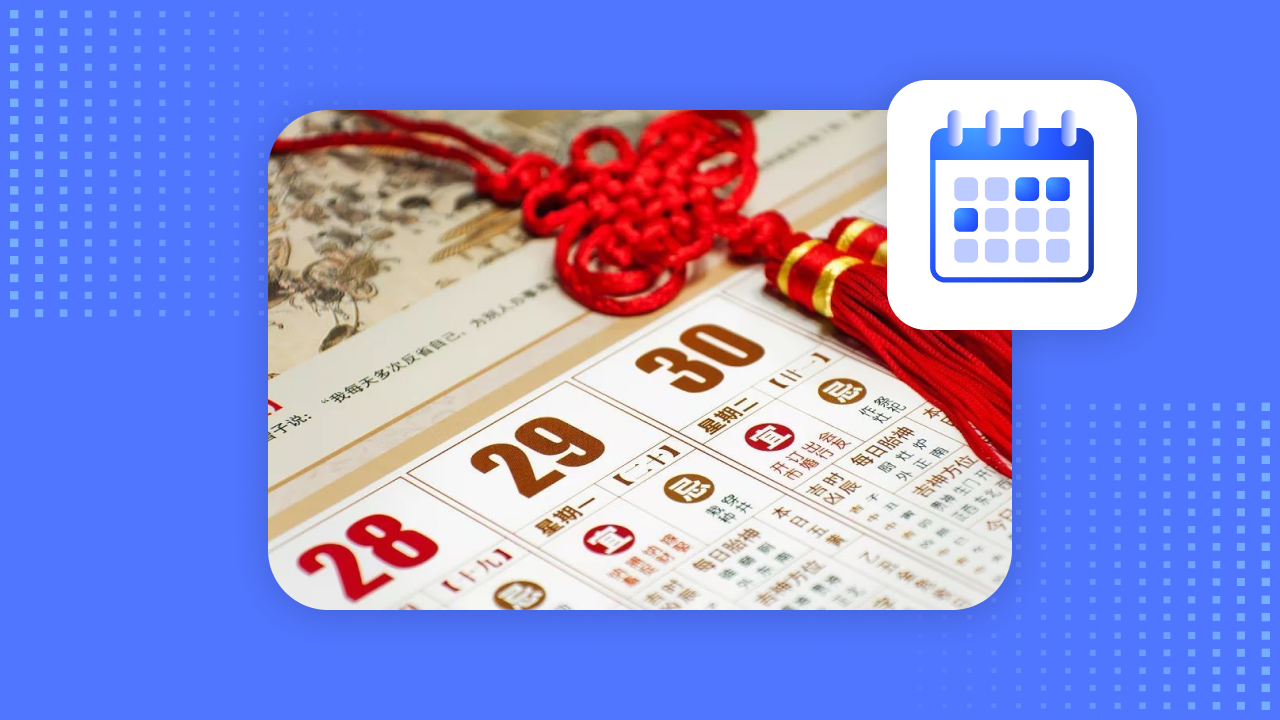
- China observes seven official public holidays each year, with several lasting multiple days
- In 2026 the public holidays are New Year’s Day, Chinese New Year (Spring Festival), Qingming Festival (Tomb-Sweeping Day), Labor Day, Dragon Boat Festival, Mid-Autumn Festival, and National Day.
- It is crucial that employers account for the extra cost and scheduling to account for China public holidays.
China has officially released its public holiday schedule for 2026, maintaining the extended “Golden Week” structure introduced in recent years while optimizing holiday placement to promote domestic tourism, cultural activities, and a better balance between work and leisure.
The 2026 schedule continues to include two major week-long holidays — the Spring Festival and National Day — and several three-day public holidays spread throughout the year. The adjustments are designed to keep continuous work periods short while aligning long breaks with weekends to maximize rest time and travel opportunities.
Find out more about these updates below:
Key Changes in the 2026 Public Holiday Schedule
1. Extended Spring Festival Holiday
Duration: 9 days (February 15 to February 23, 2026)
Highlights:
The holiday begins on Spring Festival Eve and covers the first week of the Lunar New Year.
Adjusted working days will be held on Saturday, February 14th, and Saturday, February 28th, to create a continuous break.
This placement ensures the Spring Festival remains China’s longest and most significant holiday, encouraging family reunions and domestic travel.
2. Labor Day Holiday
Duration: 5 days (May 1 to May 5, 2026)
Highlights:
Labor Day continues to be observed as a multi-day holiday, likely extended with adjacent weekend adjustments.
Working-day swaps will be arranged to maintain balanced schedules, with an adjusted working day scheduled for Saturday, May 9.
The holiday supports domestic consumption and short-distance tourism activities.
3. National Day Holiday
Duration: 7 days (October 1 to October 7, 2026).
Highlights:
The National Day “Golden Week” remains one of the most important public holidays in China.
For a continuous break, adjusted working days are scheduled for Sunday, September 20th, and Saturday, October 10th.
Extended travel and leisure activity are anticipated during this festival.
4. Mid-Autumn Festival
Highlights:
Also known as the Moon Festival, symbolizes family reunion and harmony, with gatherings to share mooncakes and admire the full moon.
This festival is also celebrated in countries like Singapore, Malaysia and the U.S.
Retail sales of festive foods, gifts, and travel packages typically rise during this period.
5. Other Public Holidays
New Year’s Day, Qingming Festival, and Dragon Boat Festival each provide a 3-day break, including adjacent weekends.
When a holiday falls midweek, only that single day is observed.
Why Were the Holidays Changed in 2026?
The 2026 adjustments reflect ongoing efforts to improve work-life balance while maintaining economic productivity. Authorities continue to limit long continuous work periods to six days before or after major holidays. The government’s scheduling strategy aims to boost consumer confidence and tourism while ensuring employers can plan staffing and production schedules more efficiently.
Public sentiment toward the optimized holiday pattern remains positive, as it promotes family gatherings and supports the cultural importance of traditional festivals like the Lunar New Year and Dragon Boat Festival.
What Do the Changes Mean for Businesses and Employees?
For employers, the 2026 holiday structure means:
Adjusted Working Days: Selected weekends will again be designated as official working days to compensate for extended holidays.
Operational Planning: Businesses should align production and payroll cycles with the confirmed State Council holiday notice to minimize disruption.
Overtime Rules:
Employees working on statutory holidays must be paid at least 300% of their regular wage.
Work performed on adjusted rest days should be compensated at 200% of regular pay if no compensatory time off is provided.
Regional Variations: Overtime and scheduling policies may vary depending on local labor authorities and the company’s working hour system (standard, comprehensive, or flexible).
China’s holiday arrangements directly affect payroll, overtime, and workforce planning. MSA helps businesses apply statutory holiday rules correctly, calculate overtime pay, and stay compliant with local labour regulations. Message →
2026 Public Holiday Calendar Overview
| Holiday | Dates (2026) | Notes |
|---|---|---|
| New Year’s Day | January 1 – January 3 | Three rest days Adjusted working day: Sunday, January 4 |
| Spring Festival/ Chinese New Year | February 15 – February 23 | In total, 9 rest days. Adjusted working days: Saturday, February 14 and Saturday, February 28 |
| Qingming Festival | April 4 – April 6 | Three rest days (in connection with the weekend) |
| Labor Day | May 1 – May 5 | Five rest days in total. Adjusted working day: Saturday, May 9 |
| Dragon Boat Festival | June 19 – June 21 | Three rest days |
| Mid-Autumn Festival | September 25 – September 27 | Three rest days |
| National Day | October 1 – October 7 | Seven rest days in total Adjusted working days: Sunday, September 20 and Saturday, October 10 |
Holiday schedules determine factory closures, staff availability, and customer responsiveness—but holiday periods vary by company and region, creating operational friction if not anticipated properly. Customer contact during holiday weeks produces delayed responses. HR & payroll calendars align staff planning with regional holiday schedules and closures. MSA Asia keeps your team coordinated across holidays. Contact our team to align your holiday planning.