 General Guides
 Regional Guides
 Starter Guides

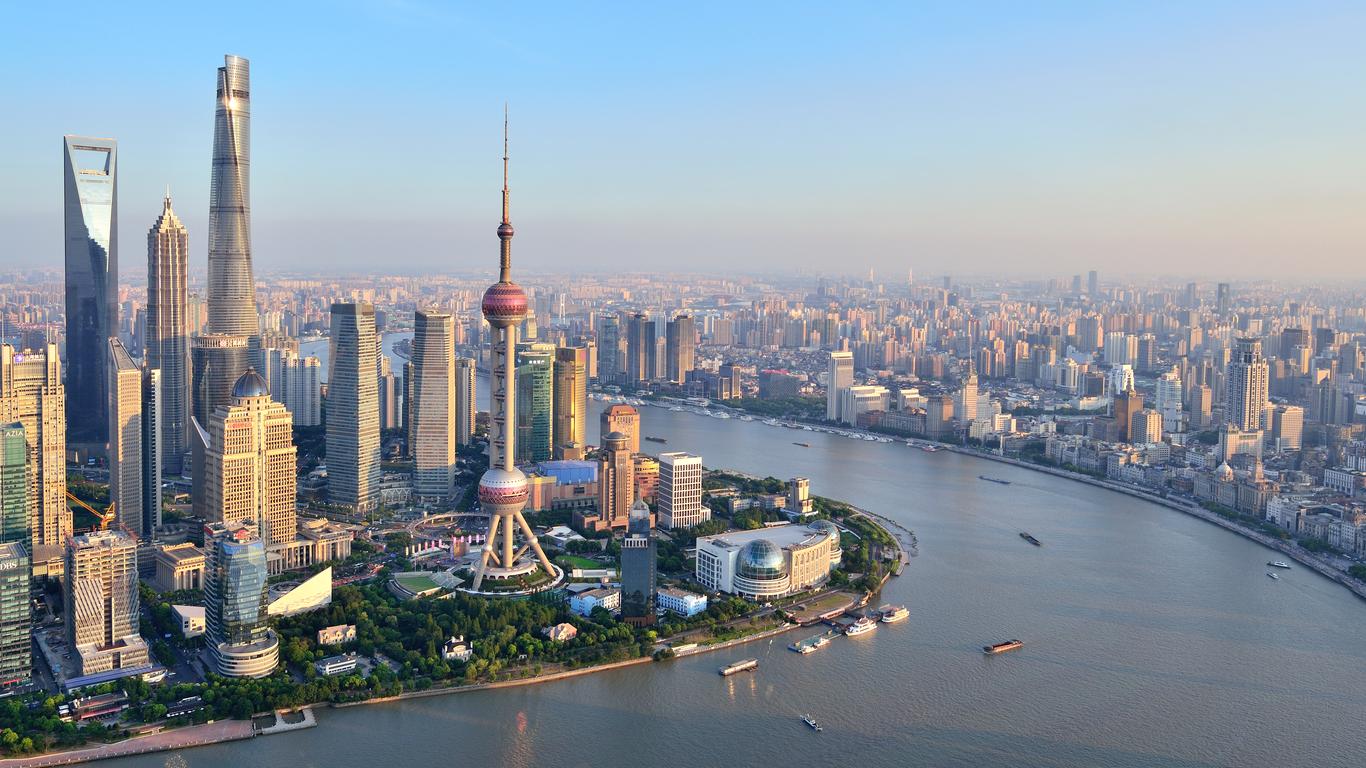
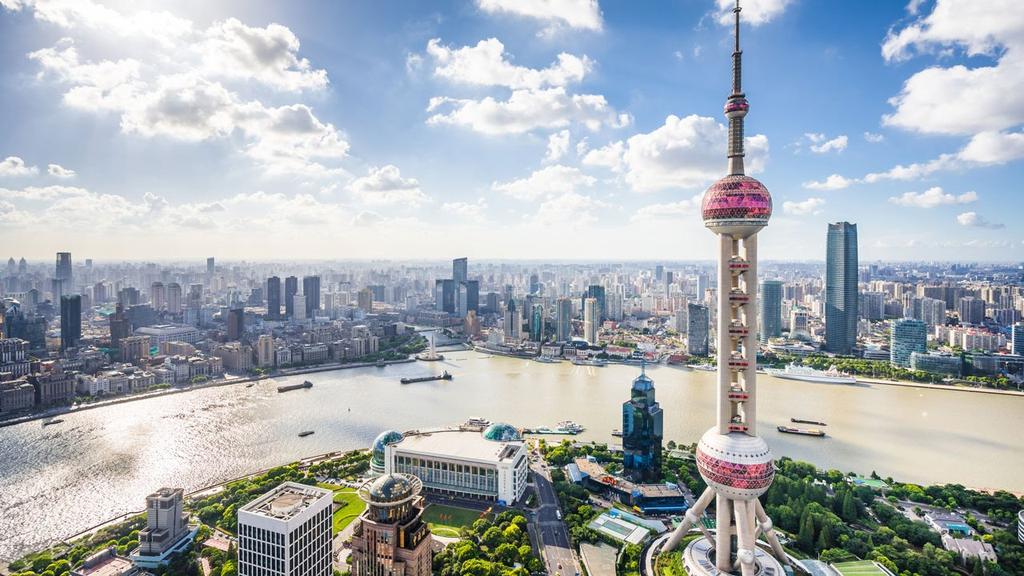
Shanghai, as one of China’s most dynamic cities, offers unparalleled opportunities for businesses looking to expand into the Chinese market. Whether you’re planning to start a business in Shanghai, invest in Shanghai, or expand your operations, this guide will provide you with all the necessary information to navigate the business landscape successfully. Shanghai’s strategic location, robust infrastructure, and favorable business environment make it an ideal destination for international businesses.
Send us your questions and we will answer within 24 hours Message →
Why Shanghai?
Shanghai stands out as a prime location for business due to several compelling reasons:
- Strategic Location: Shanghai is a gateway to the vast Chinese market and the broader Asia-Pacific region on China’s eastern coast. Its position makes it a crucial hub for trade and commerce (See Source).
- Advanced Infrastructure: Shanghai boasts world-class infrastructure, including the busiest container port globally, extensive transportation networks, and cutting-edge communication systems. These facilities ensure seamless logistics and connectivity.
- Economic Powerhouse: Shanghai is China’s financial center, home to the Shanghai Stock Exchange and numerous multinational corporations. The city’s economic vitality provides a fertile ground for business growth and innovation (See Source).
- Skilled Workforce: With an abundance of highly educated professionals from prestigious universities and research institutions, Shanghai offers a talent pool that is both diverse and skilled.
- Government Support: The Chinese government has implemented various policies to attract foreign investment, including tax incentives, simplified administrative procedures, and support for innovation and technology.
These factors make Shanghai an attractive destination for businesses seeking a foothold in China.
Market Opportunities
Shanghai offers diverse market opportunities across various sectors:
| Sector | Opportunities |
|---|---|
| Finance | Home to numerous banks, investment firms, and the Shanghai Stock Exchange. |
| Technology | A burgeoning tech hub with a focus on AI, fintech, and e-commerce. |
| Manufacturing | Advanced manufacturing capabilities, particularly in electronics and automotive. |
| Retail | A large and affluent consumer base with a high demand for luxury goods. |
| Real Estate | Rapid urbanization and development projects provide investment opportunities. |
| Healthcare | Growing demand for healthcare services and medical technology. |
Finance
Shanghai is a global financial center, hosting the Shanghai Stock Exchange, numerous international banks, and investment firms. The city’s financial sector offers asset management, fintech, and insurance opportunities. Shanghai’s status as an economic hub attracts a steady flow of capital and investment, making it an ideal location for financial services companies.
Technology
Shanghai is emerging as a leading tech hub, with significant investments in artificial intelligence (AI), fintech, and e-commerce. The city has numerous tech startups and innovation centers, providing a conducive environment for technological advancements and collaborations. Companies in the tech sector can benefit from Shanghai’s robust infrastructure and access to a large pool of skilled professionals.
Manufacturing
Shanghai’s advanced manufacturing capabilities, particularly in electronics and automotive, make it a key player in global supply chains. The city offers state-of-the-art facilities and a highly skilled workforce, making it an attractive destination for manufacturing operations. Businesses in the manufacturing sector can leverage Shanghai’s strategic location and logistics infrastructure to optimize their supply chains.
Retail
Shanghai’s large and affluent consumer base strongly desires luxury goods and innovative products. The city’s retail sector offers businesses opportunities to tap into a growing discerning consumer market. Shanghai’s vibrant shopping districts, such as Nanjing Road and Huaihai Road, attract local and international brands, providing a dynamic retail environment.
Real Estate
Shanghai’s rapid urbanization and development projects present numerous investment opportunities in the real estate sector. The city’s real estate market includes commercial, residential, and industrial properties, catering to diverse business needs. Investors can capitalize on Shanghai’s ongoing development initiatives and the increasing demand for high-quality real estate.
Healthcare
With a growing population and increasing demand for healthcare services, Shanghai offers significant opportunities in the healthcare sector. The city is investing in medical technology, pharmaceuticals, and healthcare infrastructure to meet the needs of its residents. Businesses in the healthcare industry can benefit from Shanghai’s commitment to improving healthcare services and facilities.
Top 20 Foreign Companies Headquartered in Shanghai
Shanghai is home to numerous multinational corporations establishing their regional headquarters in the city. These companies span various industries and contribute significantly to Shanghai’s economic landscape. Below is a list of the top 20 foreign companies headquartered in Shanghai and details about their operations.
| Company Name | Industry | Headquarters Location | Key Activities |
|---|---|---|---|
| General Motors | Automotive | Pudong | Manufacturing and sales of vehicles |
| Siemens | Engineering | Xuhui | Industrial automation and digitalization |
| Apple | Technology | Lujiazui | Sales and marketing of consumer electronics |
| Volkswagen Group | Automotive | Jiading | Manufacturing and sales of vehicles |
| L’Oréal | Consumer Goods | Jing’an | Sales and marketing of beauty products |
| Unilever | Consumer Goods | Huangpu | Sales and marketing of household products |
| IBM | Technology | Changning | IT services and consulting |
| Honeywell | Engineering | Minhang | Automation and control solutions |
| Intel | Technology | Pudong | Sales and marketing of semiconductor products |
| BASF | Chemicals | Pudong | Chemical manufacturing and sales |
| Danone | Food & Beverage | Xuhui | Sales and marketing of dairy products |
| Pfizer | Pharmaceuticals | Jing’an | Sales and marketing of pharmaceuticals |
| ABB | Engineering | Minhang | Robotics and automation technology |
| Microsoft | Technology | Pudong | Software development and IT services |
| Coca-Cola | Food & Beverage | Huangpu | Sales and marketing of beverages |
| Nestlé | Food & Beverage | Xuhui | Sales and marketing of food products |
| Samsung | Technology | Xuhui | Sales and marketing of consumer electronics |
| Procter & Gamble | Consumer Goods | Changning | Sales and marketing of household products |
| Shell | Energy | Pudong | Oil and gas exploration and marketing |
| Johnson & Johnson | Pharmaceuticals | Jing’an | Sales and marketing of healthcare products |
Setting Up a Business in Shanghai
Types of Business Entities
When considering Shanghai company incorporation, you’ll need to choose the type of business entity that best suits your needs. Here are the common types:
| Type of Entity | Description | Advantages | Disadvantages |
|---|---|---|---|
| Wholly Foreign-Owned Enterprise (WFOE) | A company entirely owned by foreign investors. | Full control, profit retention, easier management. | Higher initial capital requirement. |
| Joint Venture (JV) | A partnership between foreign and Chinese investors. | Shared risk, local market knowledge. | Shared control, potential conflicts. |
| Representative Office (RO) | An office representing a foreign company, not allowed to engage in profit-making activities. | Lower cost, easier setup. | Limited activities, cannot issue invoices. |
Steps to Register a Company in Shanghai
- Pre-Registration Requirements:
- Business Scope: Define the business activities your company will engage in.
- Company Name: Ensure the name is unique and complies with Chinese naming regulations.
- Registered Address: Secure a physical address in Shanghai.
- Legal Representative: Appoint an individual responsible for the company’s operations in China.
- Company Name Approval: Submit proposed company names to the Shanghai Administration for Market Regulation (AMR) for approval.
- Submission of Documents: Prepare and submit necessary documents, including Articles of Association, Feasibility Study Reports, and identification documents.
- Obtain a Business License: Receive the business license after document approval.
- Post-Registration Procedures:
- Company Seal: Obtain and register an official company seal.
- Bank Account: Open a corporate bank account in Shanghai.
- Tax Registration: Register with the local tax bureau.
- Social Insurance Registration: Register with the Social Insurance Bureau.
Legal and Regulatory Compliance
Annual Compliance
Foreign-invested enterprises in Shanghai must comply with several annual requirements:
- Annual Audit: Conduct a yearly audit by a certified public accountant.
- Annual Tax Filing: File annual tax returns with the local tax bureau.
- Annual Inspection: Submit a yearly inspection report to the AMR.
Intellectual Property Protection
Protecting your intellectual property (IP) is crucial when doing business in China. Register your trademarks, patents, and copyrights with the appropriate Chinese authorities to safeguard your business assets.
Employment Regulations
When hiring employees in Shanghai, you must comply with Chinese labor laws. This includes providing employment contracts, paying social insurance contributions, and adhering to working hours, wages, and employee benefits regulations.
Key Regulatory Requirements for Operating a Business in Shanghai
| Compliance Area | Requirement | Frequency | Government Authority |
|---|---|---|---|
| Annual Audit | Mandatory financial audit by licensed CPA | Yearly | Local Finance Bureau / CPA firm |
| Annual Tax Filing | Corporate income tax and VAT filing | Yearly (plus monthly/quarterly filings) | Shanghai Tax Bureau |
| Annual Inspection | Business information reporting to AMR | Yearly | Administration for Market Regulation (AMR) |
| Social Insurance | Employer contributions for workforce | Monthly | Social Insurance Bureau |
| Intellectual Property Registration | Recommended to protect trademarks, patents, and copyrights | As needed | CNIPA (Intellectual Property Authority) |
Benefits of Professional Services by MSA
Navigating the Shanghai company registration process can be complex. Engaging professional services like MSA (formerly known as MSAdvisory) can provide several benefits:
- Expert Guidance: MSA offers specialist advice tailored to your business needs. With years of experience in the Chinese market, MSA can help you choose the correct business entity, prepare necessary documents, and navigate regulatory requirements seamlessly. Their team of professionals is well-versed in the intricacies of Chinese business laws and practices, ensuring that you receive the best possible guidance.
- Time Efficiency: MSA can streamline registration and help avoid common pitfalls. Their extensive experience with the registration process means they can expedite your business’s setup, saving you valuable time and allowing you to focus on your core business activities. MSA’s efficient processes and established relationships with local authorities can significantly reduce the time it takes to get your business up and running.
- Compliance Assurance: Ensuring your business complies with all local regulations is crucial. MSA keeps you up-to-date with regulatory changes and ensures your business remains compliant. They offer ongoing support for tax filings, annual audits, and other compliance requirements, giving you peace of mind that your business operates within legal boundaries. MSA’s comprehensive compliance services help you avoid potential legal issues and penalties.
- Comprehensive Services: MSA provides a full range of services beyond company registration. These include accounting, tax advisory, payroll management, and financial consulting. By offering a one-stop solution, MSA simplifies your business operations in China, allowing you to concentrate on growth and expansion. Their integrated approach ensures that all aspects of your business are managed efficiently and effectively.
- Local Market Insight: MSA’s deep understanding of Shanghai’s local market dynamics can be invaluable. They offer market entry strategies and insights that help you make informed decisions and capitalize on regional opportunities. Whether you need assistance with market research, competitor analysis, or strategic planning, MSA’s expertise can help you navigate the complexities of the Chinese market.
- Personalized Support: MSA prides itself on providing customized support to each client. They take the time to understand your specific business needs and tailor their services accordingly. This client-centric approach ensures you receive solutions aligned with your business goals and objectives. MSA’s dedicated account managers provide ongoing support and are always available to address any questions or concerns you may have.
By partnering with MSA, you can ensure that your Shanghai company incorporation process is smooth, efficient, and compliant with all local regulations. MSA’s expertise and comprehensive services make it an ideal partner for businesses seeking a successful presence in Shanghai.
Once your company is established, MSA provides full ongoing support: bookkeeping, payroll, tax filing, and advisory, everything foreign businesses need to grow successfully in Shanghai. Message →
Cultural Considerations
Understanding and respecting Chinese business culture is crucial for success in Shanghai. Here are some key considerations:
- Guanxi (关系): Building solid relationships, or “guanxi,” is essential in Chinese business culture. Networking and establishing trust with business partners, government officials, and other stakeholders can significantly impact your business success.
- Hierarchy: Chinese businesses often have a hierarchical structure. Respect senior executives and decision-makers during meetings and negotiations.
- Communication: Clear and respectful communication is vital. While many business professionals in Shanghai speak English, having a translator or bilingual staff can facilitate smoother interactions.
- Business Etiquette: Punctuality, formal dress codes, and polite behavior are essential in Chinese business settings. Exchange business cards with both hands and study the card before putting it away.
Networking and Business Development
Building a solid network is crucial for business success in Shanghai. Here are some ways to develop your business network:
- Industry Associations: Join industry-specific associations and chambers of commerce to connect with other professionals and stay informed about industry trends and opportunities.
- Trade Shows and Exhibitions: Participate in trade shows and exhibitions to showcase your products or services and meet potential clients and partners.
- Business Events: Attend business events, seminars, and conferences to expand your network and gain insights from industry experts.
- Social Media: Utilize Chinese social media platforms such as WeChat and Weibo to engage with your target audience and build your brand presence.
Challenges and Solutions
While Shanghai offers numerous opportunities, businesses may also face challenges. Here are some common challenges and solutions:
| Challenge | Solution |
|---|---|
| Regulatory Complexity | Engage professional services like MSA to navigate regulatory requirements and ensure compliance. |
| Cultural Differences | Invest in cultural training for your team and hire local staff to bridge cultural gaps. |
| Competition | Conduct thorough market research and develop a unique value proposition to stand out. |
| Language Barrier | Hire bilingual staff or translators to facilitate communication with local partners and clients. |
| Intellectual Property Protection | Register your IP with Chinese authorities and work with legal experts to protect your assets. |
Shanghai’s status as a global financial hub makes it an obvious first step for many foreign investors, but company registration, tax, and HR compliance require local expertise. MSA Asia’s China company setup specialists streamline the entire process from initial planning to operations launch. Speak to us about your Shanghai expansion timeline.